Zirconium wire is a specific type of metal that is very resistant to corrosion, quite strong, and works very well in very harsh environments. Zirconium wire is used in a number of fields, including aerospace, chemical processing, offshore engineering, medical equipment, and industrial manufacturing, where accurate metal fabrication and resistance to oxidation are important. This page goes into detail on what zirconium wire is, its basic qualities, its importance in industry, and its main uses. This will help readers understand why this metal is so important in high-performance environments.
What Is Zirconium Wire?
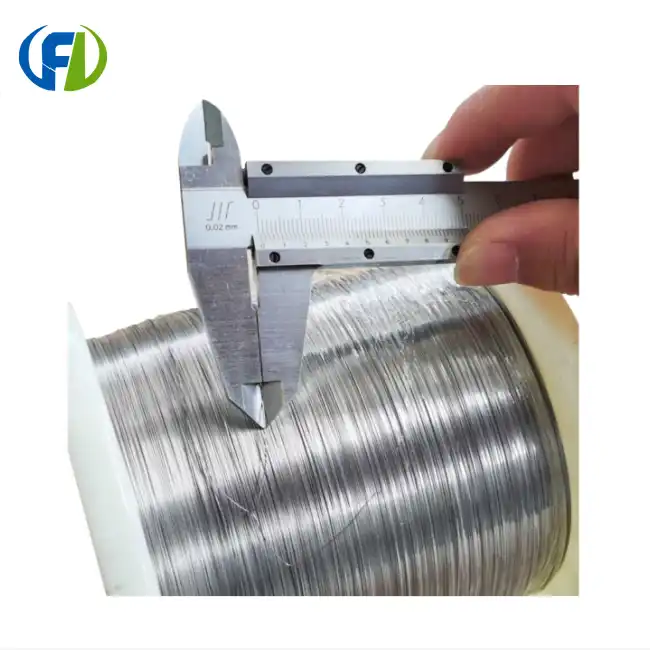
Zirconium wire is a thin strand of metal manufactured from zirconium or its alloys. It is made to be used in places where strength, resistance to corrosion, and thermal stability are very important. It is part of a special group of materials that are prized for being light and strong against chemical assaults and oxidation. Zirconium wire is made mostly through precise machining and drawing. It is very strong and conducts electricity well, thus it may be used in a wide range of industries around the world for structural components and electrical conductors. Its main purpose is to be a dependable part of fabricated parts that have to work under tough conditions.
The Problem It Solves and the Need It Fulfills
Materials degrade quickly in hot, corrosive environments, which is a problem for the aerospace, nuclear reactor, and chemical processing industries. Since zirconium wire does not corrode as easily in acidic, alkaline, or salty environments, it eliminates these worries. This lengthens the life of crucial components. Heat exchangers and offshore engineering applications benefit from its high temperature tolerance, which also makes them safer and more efficient. Because of its resistance to powerful chemicals without compromising its structure, zirconium wire is an excellent option. The reliability and uptime of the facility would suffer due to increased equipment breakdowns and repair costs in its absence.
Core Features and Functionality Deep Dive
The physical and metallurgical properties of zirconium wire give it its distinct features. First, it is very resistant to corrosion because it has a naturally formed oxide layer that protects the wire from oxidative attack. This trait is very important in chemical processing companies, where workers are often exposed to corrosive liquids. Second, the wire can work well in places where the temperature is over 1000°C, including in aerospace engine parts and nuclear reactor tubes.
It's also interesting that it's both strong and light. Zinc alloy wire can be used in industries like aerospace and medical devices where both load-bearing ability and weight reduction are important. With very tight tolerances, precision machining makes it possible to bend the wire into interesting shapes. This means you can change it to meet specific engineering needs, like welding and surface treatment.
Conductivity is also important, especially when zirconium wire is employed as electrical conductors in places where regular metals would corrode or break. The material is biocompatible, which means it can be used in medical implants and equipment where durability without toxicity is very important. In the end, zirconium wire is a useful material that can be used in many different industries because of its many functions.
Under the Hood: Technology Behind Zirconium Wire
To make zirconium wire, you need to follow special chemical steps that are meant to keep the metal's natural properties. Starting with zirconium ore that has had impurities like hafnium taken out and cleaned, the higher the purity level, the harder and less likely to rust the material is. The metal needs to be made into wire form in a controlled environment so that it doesn't get dirty and fail structurally.
To improve ductility and consistency of performance, heat treatment and annealing are used. Modern methods of making things, such electron beam melting and vacuum arc remelting, improve the microstructure by getting rid of any impurities that could make the wire weaker. Welding procedures made for zirconium alloys make sure that the joints are strong without losing their ability to resist oxidation. This is important for putting together parts for nuclear and aerospace systems. The chemical and technical accuracy that goes into making zirconium wire make sure that it works well in very harsh industrial environments.
Key Advantages of Zirconium Wire
- Exceptional Corrosion Resistance: Resistant to acids, alkalis, and seawater, extending component lifespan.
- High Temperature Stability: Maintains mechanical properties under temperatures above 1000°C.
- Lightweight Strength: Offers superior strength-to-weight ratio beneficial for aerospace and offshore uses.
- Biocompatibility: Suitable for medical devices without causing adverse tissue reactions.
- Precision Fabrication: Supports intricate machining and welding for customized applications.
- Oxidation Resistance: Prevents surface degradation even after prolonged exposure to oxygen-rich environments.
- Electrical Conductivity: Reliable performance in harsh conditions where other metals fail.
These advantages contribute significantly to operational efficiency, safety, and product longevity in sectors demanding high performance materials.
Zirconium Wire vs. The Competition
Zirconium wire is better than titanium wire because it doesn't rust as easily, especially when there are chlorides, and it performs better in nuclear applications because it doesn't absorb neutrons as well. Zirconium is better for chemical processing since it lasts longer, although titanium is more popular in aerospace.
Stainless steel is another option that is cheaper but not as good in high-temperature and strong chemical circumstances where zirconium is superior. It can't be utilized for specialized parts that need to be in contact with harsh media for a long time because it tends to rust and corrode faster when it's under stress.
In brief, zirconium wire is unique since it fits between pricey superalloys and metals that aren't as strong. This makes it great for organizations that need reliability and accuracy without giving up quality.
Target Audience and Ideal Use Cases
OEMs, international distributors, and engineering companies that deal in the aerospace, nuclear energy, offshore engineering, chemical processing, and medical device industries all use zirconium wire. This item will be very helpful for companies that need to make metal parts that are robust, light, and won't rust.
Some common uses are making nuclear reactor parts, like fuel rod claddings; tubing for chemical plants' heat exchangers; structural parts for aerospace assemblies; high-performance wire for electrical systems that are exposed to corrosive conditions; and medical implants that are safe for the body. You can also treat and weld the wire, which makes it even more valuable for difficult and unique production tasks.
Zirconium wire is a terrific alternative for engineering and procurement teams that want to cut down on downtime, make things safer, and follow stringent rules for their new product designs.
Conclusion and Future Outlook
Zirconium wire is a very important material that is made to meet the needs of businesses that do work in harsh conditions. People who work in aerospace, chemical processing, nuclear energy, and healthcare find it very useful because it doesn't rust, can handle high temperatures, and can be made in a lot of different ways. More and better wires will be made as metallurgical technology and manufacturing get better. As businesses work to become more efficient and environmentally friendly, zirconium wire's importance is likely to grow. This will prove that it is an important source for correct, long-lasting metal solutions.
Frequently Asked Questions
1. Why is zirconium wire superior at resisting corrosion than other metals?
Compared to metals like stainless steel or titanium, zirconium wire is very resistant to acids, alkalis, and seawater because it forms a thick, protective oxide coating that keeps corrosive substances out.
2. Can zirconium wire handle the high temperatures needed in aeronautical applications?
Yes, zirconium wire keeps its strength and resistance to oxidation even at temperatures over 1000°C, which makes it good for important parts of airplanes and nuclear reactors.
3. Is zirconium wire safe to use in medical devices?
Zirconium wire is perfect for surgical implants and medical equipment that needs long-lasting, non-toxic materials because it is biocompatible and doesn't react with body fluids.
4. How does the price of zirconium wire compare to that of titanium or stainless steel?
Zirconium wire costs more since it is harder to refine and process, but it works better in certain situations, therefore it's worth the extra money if you need something that will last.
5. What businesses use zirconium wire the most?
The main consumers who need zirconium wire because of its special qualities are companies that make medical devices, aerospace, chemical processing, nuclear energy, and offshore engineering.
6. What problems do you run across when you machine and weld zirconium wire?
To keep zirconium wire from oxidizing and getting contaminated during fabrication, it needs to be handled in controlled circumstances by people with certain abilities.
Where to Buy Zirconium Wire?
If you want high-quality zirconium wire, Baoji Freelong New Material Technology Development Co., Ltd is a top supplier based in Baoji City, China's Titanium Valley. Freelong is known for making high-quality zirconium, titanium, nickel, niobium, tantalum, and other alloy metals. The company has a solid reputation for quality and service in markets all over the world, including the US, Germany, Korea, and the Middle East. We pledge to meet strict quality standards and offer competitive OEM capabilities. This means that customers will always get exactly what they need without any compromises. If you have any questions about "Zirconium Wire," please email us at jenny@bjfreelong.com. We would love to help you with your industrial projects. Please visit the website frlmetal.com for additional information.
References
1. Peacock, M. (2013). "Zirconium in the Nuclear Industry" - A thorough look at how zirconium alloys work when exposed to radiation.
2. ASM International. (2015). "Properties and Selection: Nonferrous Alloys and Special-Purpose Materials" is a detailed look into zirconium alloys and how they can be used.
3. Callister, W. (2020). "Materials Science and Engineering: An Introduction" - Basic ideas that explain how zirconium behaves in metal.
4. Schikel, W., & Peterson, G. (2017). "Advanced Corrosion-Resistant Materials in Chemical Processing" is a study of materials that work well in chemical reactors.
5. Ghosh, A.K. (2019). "Biomedical Applications of Zirconium-Based Alloys" - Information about how zirconium is biocompatible and how it can be used in medicine.
6. Patel, R., & Kumar, S. (2021). "Metal Fabrication Technologies for Aerospace Applications" talks about how precise metals like zirconium wire are used in the aerospace sector.

_1745831122707.webp)
_1770280174853.png)
_1745890183898.webp)