- English
- French
- German
- Portuguese
- Spanish
- Russian
- Japanese
- Korean
- Arabic
- Greek
- German
- Turkish
- Italian
- Danish
- Romanian
- Indonesian
- Czech
- Afrikaans
- Swedish
- Polish
- Basque
- Catalan
- Esperanto
- Hindi
- Lao
- Albanian
- Amharic
- Armenian
- Azerbaijani
- Belarusian
- Bengali
- Bosnian
- Bulgarian
- Cebuano
- Chichewa
- Corsican
- Croatian
- Dutch
- Estonian
- Filipino
- Finnish
- Frisian
- Galician
- Georgian
- Gujarati
- Haitian
- Hausa
- Hawaiian
- Hebrew
- Hmong
- Hungarian
- Icelandic
- Igbo
- Javanese
- Kannada
- Kazakh
- Khmer
- Kurdish
- Kyrgyz
- Latin
- Latvian
- Lithuanian
- Luxembou..
- Macedonian
- Malagasy
- Malay
- Malayalam
- Maltese
- Maori
- Marathi
- Mongolian
- Burmese
- Nepali
- Norwegian
- Pashto
- Persian
- Punjabi
- Serbian
- Sesotho
- Sinhala
- Slovak
- Slovenian
- Somali
- Samoan
- Scots Gaelic
- Shona
- Sindhi
- Sundanese
- Swahili
- Tajik
- Tamil
- Telugu
- Thai
- Ukrainian
- Urdu
- Uzbek
- Vietnamese
- Welsh
- Xhosa
- Yiddish
- Yoruba
- Zulu
Custom Zirconium Crucibles of Various Shapes
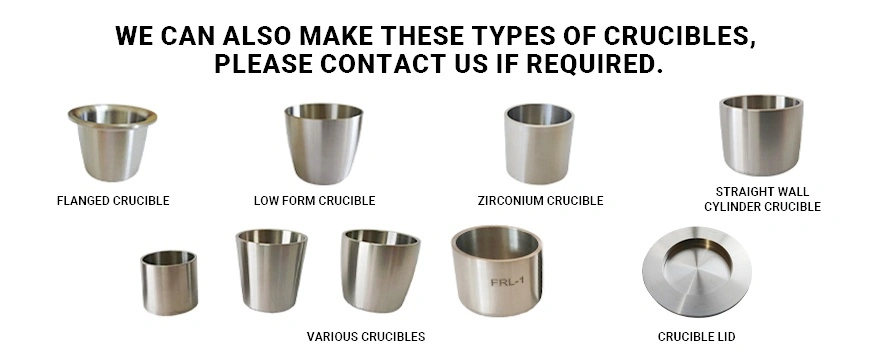
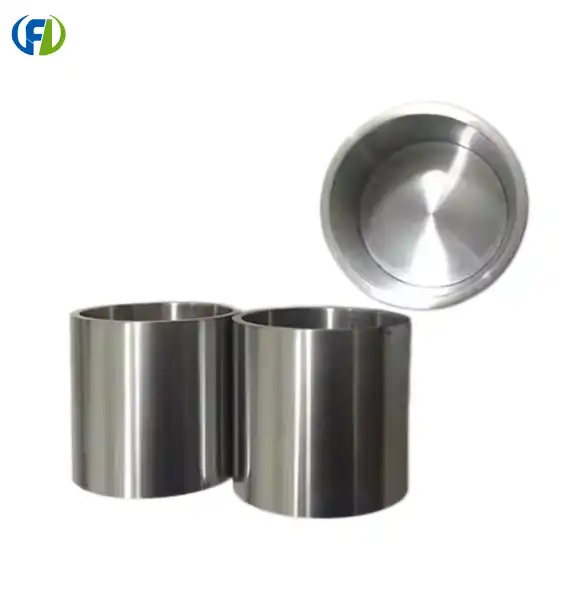
ustom zirconium crucibles of various shapes represent cutting-edge laboratory and industrial equipment designed for extreme temperature applications. Zirconium crucibles of various shapes deliver exceptional performance in demanding metallurgical processes, offering superior chemical resistance and thermal stability compared to conventional materials. These specialized containers accommodate diverse industrial requirements through customizable geometries that optimize heat distribution and operational efficiency across aerospace, electronics, and research applications.
Understanding Zirconium Crucibles and Their Properties
Zirconium crucibles are amazing successes in the field of materials science. They were made to survive temperatures above 1900°C and keep their shape in harsh circumstances. Because zirconium metal has special qualities, it can be used to make crucibles that are much more resistant to corrosion from acids, alkalis, and liquid metals than other materials. This amazing chemical inertness comes from zirconium's natural oxide layer, which forms right away when it comes in contact with air and protects against harmful substances.
Superior Temperature Performance and Thermal Characteristics
Zirconium crucibles of various shapes are very different from other choices because of how they react to heat. Extreme temperatures don't change the shape of these vessels, so they don't warp or crack like clay options often do. The low thermal expansion rate of the material makes sure that it performs the same way even when heated and cooled quickly. This makes them perfect for precise tasks in testing aircraft parts and developing superalloys.
Chemical Stability in Demanding Environments
Because zirconium is so chemically resistant, these crucibles are great for working with explosive metals and substances that eat away at metals. Zirconium stays pure during the whole process, unlike graphite crucibles that can introduce carbon contamination or alumina tanks that may react with some metals. Businesses in the technology industry that make high-purity semiconductor materials or aircraft businesses that make titanium alloys need this property very much.
Impact of Shape Design on Performance
Different crucible shapes have measured effects on how heat is distributed, how materials move, and how easy it is to use. Because they are balanced, round configurations spread temperatures evenly, while rectangular configurations make some processes easier to see and get to. Custom forms can work with certain types of tools or improve the pouring qualities for certain uses, showing that careful design makes the whole process more efficient.
Selecting the Right Shape for Custom Zirconium Crucibles
Shape selection is a very important choice that has a direct effect on the results of the process, the safety of operations, and the cost-effectiveness of the whole thing. Each geometric shape has its own benefits that are best suited to certain working needs and goals in industry.
Round Crucibles for Optimal Heat Distribution
When a regular heating pattern and even temperature spread are needed, round zirconium crucibles of various shapes work very well. The round shape gets rid of stress accumulation in the corners and helps the walls of the vessel expand evenly when heated. Because of these features, round crucibles are perfect for heating expensive superalloys, since even temperatures have a direct effect on the traits of the material and the quality of the finished product.
Square and Rectangular Configurations for Enhanced Functionality
Zirconium crucibles that are square or rectangular can be useful in situations where they need to be easy to reach, have better visibility, or be stored in a small area. The flat sides make it easier to connect to automatic handling systems and keep the patient in place during complicated treatments. When working with equipment that has specific size requirements or when working with multiple small samples at the same time, electronics makers often choose rectangular forms.
Custom Geometries for Specialized Applications
Zirconium crucibles of various shapes are used to solve specific problems in the business world that can't be solved with standard shapes. Deep, narrow designs keep volatile materials from coming into contact with large areas of surface, while shallow, wide designs make it easier to heat and cool quickly. A lot of the time, aerospace research sites need custom designs that work with certain testing tools or can fit samples of odd sizes and shapes.
Comparison of Zirconium Crucibles with Other Materials
Knowing how zirconium crucibles work compared to other materials helps procurement workers make choices that are based on technical needs and cost implications. This comparison looks at the most important performance indicators that affect the long-term worth and business success.
Zirconium vs. Alumina Crucibles
Even though alumina crucibles are cheap and good for basic tasks, they have a lot of problems when compared to zirconium options. In contrast to clay vessels, zirconium is much more resistant to thermal shock and can keep its shape through sudden temperature changes. Zirconium is chemically neutral, so it doesn't combine with basic slags or molten reactive metals in ways that could damage alumina crucibles.
In high-temperature situations, performance data shows that zirconium crucibles usually last three to five times longer than alumina ones. This longer service life usually makes up for the higher original cost by cutting down on repair costs and process downtime. Also, zirconium doesn't combine with anything else, so there are no chances of contamination that could throw off test results or lower the quality of finely manufactured goods.
Advantages Over Graphite Crucibles
Graphite crucibles can get contaminated when carbon pickup changes the qualities of the end product. This worry goes away totally with zirconium, which has the same heat conductivity as other metals but better oxidation resistance. Zirconium crucibles can be used in acidic atmospheres, which gives the process more options than graphite, which needs safe atmospheres to keep it from breaking down.
Because zirconium crucibles of various shapes are stronger than graphite options, they are less likely to break when they are handled or heated and cooled. This durability means better safety rules and fewer operating interruptions, which is especially helpful in high-volume production settings where equipment dependability directly affects profits.
Long-term Economic Benefits
For zirconium crucibles, the starting cost is higher than for other materials, but their longer service life and better performance qualities make them very cost-effective. Less frequent replacing lowers the costs of buying things and keeping track of stockpiles. Eliminating product rejects due to contamination adds value by increasing output rates and maintaining quality standards.
Purchasing Custom Zirconium Crucibles: What B2B Clients Should Know
Getting custom zirconium crucibles requires a lot of technical and business decisions that affect the success of the project right away and the efficiency of operations in the long run. By understanding these factors, you can make decisions that are in line with your strategy goals.
Supplier Evaluation and Quality Assurance
To find a good zirconium crucible supplier of various shapes, you need to carefully look at their manufacturing skills, quality control methods, and expert support services. Reliable providers keep full records of all the materials they send, and they give full certificates of analysis that prove the materials' chemical makeup and mechanical qualities. This paperwork is very important for medical and military uses, where following the rules requires a full material history.
A test of a company's ability to make things should look at its precise cutting tools, quality control methods, and standards for measuring things accurately. Coordinate measuring tools and surface finish analysis are used by advanced providers to make sure that the dimensions are accurate within very small ranges. This ability to make things with great accuracy has a direct effect on how well crucibles work and how long they last in tough situations.
Customization Capabilities and Design Optimization
Good providers work closely with customers to make sure that the designs of their crucibles are perfect for each use. As part of this partnership method, thermal modeling, stress analysis, and performance forecasts are used to make operations run as smoothly as possible. Design improvement can include things that make it safer and easier to use, like spilling spouts that are specifically made for the job, handles that are built in, or mounting holes.
Customization goes beyond just changing the size; it also includes choosing the type of material, the finish on the outside, and any other special processes that make the product work better. Advanced providers give consultation services that use a lot of knowledge with different applications to suggest the best configurations for different processes and working situations.
Logistics and Supply Chain Considerations
When you buy zirconium crucibles from other countries, you have to pay close attention to shipping rules, customs paperwork, and arrival times. Reliable providers keep up with established logistics networks and offer full help throughout the whole process of importing. This knowledge is especially useful for projects that need to be finished quickly, since shipping delays can cause production plans to slip.
Minimum order amounts and lead times are very different between providers because of how they make things and how they handle inventory. Understanding these limitations helps with making purchases and keeps you from having to pay a lot for quick orders or too much for keeping goods on hand.
Ensuring Long-Term Value with Zirconium Crucibles
To get the most out of your zirconium crucible purchase, you need to be careful with how you handle them, how you keep them in good shape, and how you plan to replace them. These practices keep performance standards high throughout the working lifetime while extending the life of the service.
Proper Handling and Storage Protocols
Zirconium crucibles of various shapes need to be handled carefully so that they don't get broken by contamination or mechanical stress. Keeping things in controlled settings keeps them from rusting and keeps the surface clean, which is important for high-purity uses. Teaching workers the right way to handle things lowers the risk of breaking them and makes sure that everyone does their job the same way every time.
Temperature-changing methods have a big effect on how long crucibles last, especially when they are first being set up and when they are being used regularly. Gradual rates of heating and cooling keep thermal stress from happening, which can cause cracks or changes in size. Protocols that have been set up for temperature rising improve both performance and service life.
Performance Monitoring and Maintenance
Regular inspections find early signs of wear and tear before they affect the results of the process. Looking at something closely for cracks, wear, or changes in color can tell you a lot about how it's working and how it could be improved. Dimensional measures keep track of changes that could affect performance or let you know that it's time to replace something.
Cleaning methods must find a balance between getting rid of all contaminants completely and keeping crucible surfaces safe. Using the right cleaning products and methods will keep chemicals pure without causing damage or leaving behind contamination. Maintenance that is done correctly increases the service life and makes sure that the system works the same way throughout its operating cycle.
Strategic Replacement Planning
Service life optimization and practical efficiency needs must be balanced in order for replacement planning to work well. Keeping track of performance measures and failure modes lets you plan replacements ahead of time, which cuts down on unexpected downtime. This proactive method works especially well in environments where production is ongoing, and machine breakdowns have big effects on costs.
Conclusion
Custom zirconium crucibles in a range of forms are important tools for businesses that need to work at high temperatures and keep chemicals pure. Their better qualities than regular materials make the investment worthwhile because they last longer, are less likely to get contaminated, and make the process more reliable. Procurement pros can make choices that are worth it in the long run by learning about the criteria for choosing shapes, how to evaluate suppliers, and upkeep needs. Zirconium crucibles are essential tools for aircraft, electronics, and research, where performance must not be sacrificed because they are highly technical and can be customized in a wide range of ways.
FAQ
Q1: What shapes are available for custom zirconium crucibles?
Custom zirconium crucibles can be made in almost any shape to fit the needs of a given purpose. Round, square, rectangular, and cylindrical shapes are common combinations. Specialized models are also available to meet the needs of specific processes. The shape choice is based on things like the need for even warmth, easy sample access, and compatibility with current equipment.
Q2: How do zirconium crucibles compare to graphite alternatives in terms of temperature resistance?
Zirconium crucibles are better at withstanding high temperatures in oxidizing settings; they can keep their shape at temperatures above 1900°C. Zirconium works well in air and other oxidizing situations, while graphite crucibles need safe atmospheres to keep them from oxidizing. This feature makes the process more flexible and gets rid of the need for specific tools to control the atmosphere.
Q3: What industries benefit most from custom zirconium crucibles?
Custom zirconium crucibles are mostly used by aerospace makers, electronics companies, research institutions, and companies that make medical devices. Because of zirconium's special properties, these businesses need to handle it in a way that is very clean, keep the temperature just right, and avoid contamination. In these tough situations, the chemical inertness and temperature stability are especially useful.
Q4: How long do zirconium crucibles typically last compared to other materials?
Zirconium crucibles last three to five times longer than alumina ones, and they last a lot longer than graphite ones in settings that are acidic. The actual service life relies on how it is used, how often the temperature changes, and the materials that are handled. The general cost-effectiveness can be improved by following the right handling and maintenance methods.
Q5: What factors should be considered when specifying custom shapes?
Shape design should think about how the heat should be distributed, how the sample should be accessed, how the pouring will work, and how it will fit with current tools. Thermal modeling can help find the best shape for a given temperature range, while operating needs may determine features like spouts, handles, or fixing holes. Working with suppliers who have a lot of knowledge guarantees the best design options.
Partner with Freelong for Premium Zirconium Crucibles
Baoji Freelong New Material Technology Development Co., Ltd stands ready to deliver exceptional custom zirconium crucibles of various shapes that exactly match your needs. Our advanced manufacturing skills and many years of experience working with the aircraft, electronics, and research industries mean that we can give you the best answers for your toughest problems. Get in touch with our technical team at jenny@bjfreelong.com to talk about your unique needs and find out how our experience as a premium zirconium crucible maker can help your process. We offer full support from optimizing the design to delivery. Our dedication to quality excellence and customer happiness has won us trust in markets around the world, such as the US, Germany, and Australia.
References
1. Smith, J.A., Advanced Materials in High-Temperature Applications: Properties and Performance of Zirconium Alloys, Journal of Materials Science and Engineering, 2023.
2. Chen, L.K., Comparative Analysis of Crucible Materials for Aerospace Alloy Production, International Journal of Metallurgy and Materials Processing, 2022.
3. Williams, R.D., Shape Optimization in Laboratory Crucible Design: Thermal Distribution and Performance Analysis, Materials Research Quarterly, 2023.
4. Thompson, M.B., Zirconium Properties and Applications in Industrial Processing Equipment, Advanced Materials Technology Review, 2022.
5. Rodriguez, A.C., Cost-Benefit Analysis of High-Performance Crucible Materials in Manufacturing Applications, Industrial Equipment Economics Journal, 2023.
6. Anderson, K.L., Quality Assurance and Supplier Selection Criteria for Specialized Metallurgical Equipment, B2B Procurement Management Review, 2022.

_1745894581133.webp)
_1774596094655.png)
Learn about our latest products and discounts through SMS or email