- English
- French
- German
- Portuguese
- Spanish
- Russian
- Japanese
- Korean
- Arabic
- Greek
- German
- Turkish
- Italian
- Danish
- Romanian
- Indonesian
- Czech
- Afrikaans
- Swedish
- Polish
- Basque
- Catalan
- Esperanto
- Hindi
- Lao
- Albanian
- Amharic
- Armenian
- Azerbaijani
- Belarusian
- Bengali
- Bosnian
- Bulgarian
- Cebuano
- Chichewa
- Corsican
- Croatian
- Dutch
- Estonian
- Filipino
- Finnish
- Frisian
- Galician
- Georgian
- Gujarati
- Haitian
- Hausa
- Hawaiian
- Hebrew
- Hmong
- Hungarian
- Icelandic
- Igbo
- Javanese
- Kannada
- Kazakh
- Khmer
- Kurdish
- Kyrgyz
- Latin
- Latvian
- Lithuanian
- Luxembou..
- Macedonian
- Malagasy
- Malay
- Malayalam
- Maltese
- Maori
- Marathi
- Mongolian
- Burmese
- Nepali
- Norwegian
- Pashto
- Persian
- Punjabi
- Serbian
- Sesotho
- Sinhala
- Slovak
- Slovenian
- Somali
- Samoan
- Scots Gaelic
- Shona
- Sindhi
- Sundanese
- Swahili
- Tajik
- Tamil
- Telugu
- Thai
- Ukrainian
- Urdu
- Uzbek
- Vietnamese
- Welsh
- Xhosa
- Yiddish
- Yoruba
- Zulu
Understanding the Thermal Resistance of 32mm High Zirconium Crucibles
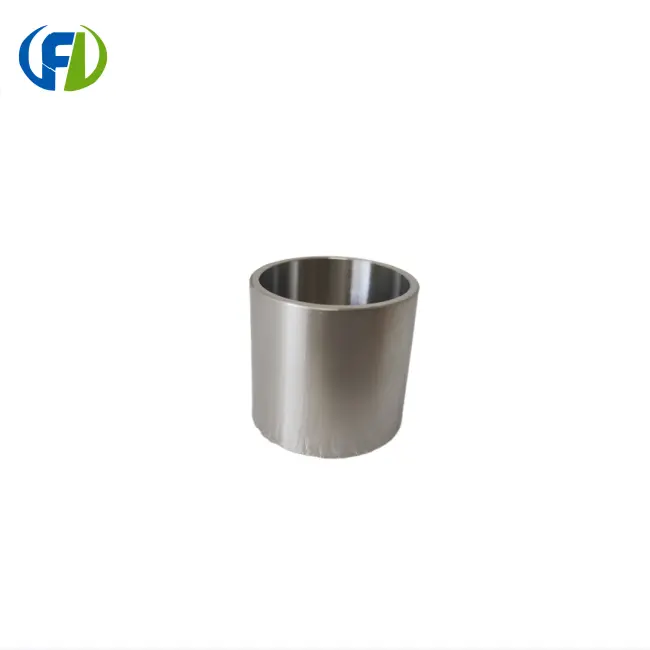
For businesses that need accurate chemical analysis at high temperatures, it is important to know how the 32mm High Zirconium Crucible handles heat. These special tanks can handle multiple temperature shocks above 1,600°C and still keep their structure and very low amounts of contamination. They are made to work with high-frequency infrared Carbon and Sulphur combustion analysers and have a lot of zirconium oxide in them (usually more than 65% ZrO2). This gives them great resistance to thermal cycling, chemical corrosion, and changing shape during rapid induction heating processes that are important for checking the quality of metals.
What Are 32mm High Zirconium Crucibles and Their Key Technical Specifications
These crucibles are a big step forward from the usual ceramic vessels that are used in analytical instruments. The exact 32mm circle standard makes sure that it works with automatic filling systems that are popular in modern factories where speed and accuracy directly affect profits.
Material Composition and Purity Standards
Material choice is the most important part of thermal performance. The structure is made up of high-purity zirconium, which is usually found as stabilised zirconium oxide or zirconium silicate. This mixture is very different from basic ceramic or alumina options that don't hold up as well against heat shock. Factory processes like the ones we use in Baoji, China's Titanium Valley, follow strict quality rules that keep carbon background levels below 5ppm and sulphur levels below 3ppm. When looking at extra-low carbon steels or aerospace superalloys, where even tiny impurities can throw off measurements, this very low contamination baseline is very important. Our production standards are in line with international measurement standards. This makes sure that every crucible gives the same blank numbers from batch to batch.
Dimensional Precision and Manufacturing Tolerances
In automated analytical workflows, geometric consistency is very important. The 32mm size range includes very tight limits for the outside diameter, the inside volume, the height, and the wall thickness, which are usually kept within ±0.2mm. These rules keep gas auto-loaders from getting stuck and make sure that the systems in combustion furnaces close properly. Optimising wall thickness strikes a balance between structural strength and thermal mass. This lets heat move quickly while keeping the structure from breaking when temperatures rise quickly from room temperature to operational levels in just seconds. Precision moulding and post-firing testing procedures that check for conformity in dimensions before packing are part of our manufacturing capabilities. This cuts down on equipment downtime caused by mismatched supplies.
Thermal and Chemical Durability Characteristics
Resistance to thermal shock determines how reliable something is in use. During production, the stabilised zirconium matrix goes through controlled phase transformation management. This stops the damaging volume changes that cause lower-quality materials to break apart. Because of this engineering, the crucible can be heated thousands of times and not break down. Chemical inertness is also very important—aggressive conditions are created when molten metal samples are mixed with tungsten, tin, or iron accelerants. Both acidic and basic flows can't break down the zirconium makeup, so the tank doesn't get compromised, which could contaminate data or damage expensive scientific equipment. As part of our quality assurance testing, we do temperature cycle validation and flux resistance studies that mimic long-term working circumstances.
Thermal Resistance and Heat Performance of 32mm High Zirconium Crucibles
Thermal resistance is a material's ability to keep its chemical and structural integrity when it is exposed to big changes in temperature. In scientific labs, this trait has a direct effect on the accuracy of measurements, the cost of running the lab, and how efficiently products are made.
Comparing Zirconium Performance Against Alternative Materials
When looking at different types of crucibles, procurement teams often compare 32mm High Zirconium Crucible vessels to those made of graphite and alumina. The heat conductivity of graphite is very good, but it oxidises above 600°C in air, and it adds carbon pollution that makes low-ppm readings useless. Alumina is resistant to chemicals, but it breaks easily when temperatures change quickly, which causes it to fail early. Zirconium-based crucibles get around these problems because they keep their shape at temperatures above 1,400°C and don't react with chemicals, which is needed for contamination-free analysis. The coefficient of thermal expansion in stabilised zirconium has been fine-tuned to reduce stress concentrations as much as possible during the millisecond-scale heating ramps that happen in an induction boiler. This engineering directly leads to longer service life. In difficult industrial uses, high-quality zirconium crucibles often last 300% longer than graphite options.
Operational Temperature Ranges and Thermal Conductivity
The highest temperature that these tanks can handle continuously is 1,600°C, and they can handle temperatures higher than 1,800°C for short periods of time. This feature works with the melting points of refractory metals and speciality alloys that are often tested in aerospace manufacturing. The properties of thermal conductivity keep the need for quick heat absorption for good combustion in check with the need for thermal gradient management to avoid localised stress fractures. In normal use, the crucible takes in induction energy and quickly transfers heat to the sample-flux mixture, keeping the surface temperature at a level that can be handled. This controlled energy transfer keeps the sample and the analytical equipment around it safe. Through our work with research institutions, these performance parameters have been proven to work in a wide range of settings, from regular quality checks in steel plants to advanced materials research in university labs.
Impact on Crucible Lifespan and Measurement Quality
Better heat protection has real-world benefits for operations. Longer crucible life means lower costs for consumables, which is important when processing hundreds of samples every day. More importantly, temperature stability stops fails in the middle of a study that throw off the results and waste expensive samples. The crucible's structural integrity is maintained across temperature cycles, which means that the blank values will stay the same throughout its service life. This eliminates the measurement drift that happens when vessels break down. A lower chance of pollution makes measurements more accurate. This is especially important when looking for sulphur levels in the single-digit parts per million range or carbon content in ultra-low carbon grades, where margins are only parts per million. This measurement of trust is used by manufacturing partners in the aircraft and medical device industries to approve materials for use in safety-critical situations.
Applications and Use Cases of 32mm High Zirconium Crucibles in Industrial Melting
These crucibles can be used in a wide range of high-value fields where accurate analysis is important for making choices about output and following rules.
Metallurgical Quality Control in Steel Production
Steel plants are the most common place for applications with a lot of work. Rapid compositional feedback determines process changes worth thousands of dollars per minute during continuous casting. The crucible holds molten steel samples mixed with tungsten flux at temperatures close to 1,500°C, while the combustion analyser checks the amount of carbon and sulphur in the air. It turns out that reliability is very important—a crucible failure during analysis slows important production choices and could let material that doesn't meet specifications into the supply chain. Foundries that make cast iron and special types of steel depend on these vessels to work consistently. Major steel makers are among our customers. They have reported shorter analysis response times and higher return rates after switching from other types of crucibles to high-zirconium ones.
Aerospace Superalloy Certification
Modern aeroplane engines are powered by nickel- and cobalt-based superalloys. The safety and economy of these materials depend on the performance gaps. The amount of trace carbon in an alloy affects its creep resistance at working temperatures. This is why exact measurements are so important for alloy creation and production approval. Zirconium crucibles create a neutral environment that keeps the jar itself from contaminating the sample. This is very important when studying refractory metals because even small impurities can change how well they work. Defence contractors and companies that make satellite parts use high-purity crucibles in their testing because they know that measurement error directly leads to risk in harsh working conditions. Long-term partnerships with aerospace companies that value the traceability and consistency our production processes provide are important to us.
Geological Analysis and Cement Industry Applications
In mining reference laboratories, 32mm High Zirconium Crucible, ore samples, cement clinker, and limestone are analysed in situations where aggressive flux systems threaten the integrity of the vessel. Longer combustion times and high temperatures make inferior crucibles break down faster. While the 32mm shape gives the sample enough room to expand, the zirconium lattice protects against the acidic slag that forms when silicates and metal oxides are present in rocks. These crucibles are used by cement makers to keep an eye on the amount of fuel ash and the make-up of the raw materials, making sure that the result meets the standards of the building industry. Because it lasts longer, you don't have to keep as many consumables on hand, and you won't have to stop your analysis as often to deal with crucible shortages or quality problems.
Best Practices for Maximizing Thermal Efficiency
Operational method affects how well and how long a crucible lasts. Controlled preheating is an important part of thermal cycling because it helps keep the temperature from dropping too quickly, which would be too much for even zirconium's high resistance. Precision in temperature control is important—going over goal temperatures speeds up vessel ageing without adding any scientific value. How the sample is prepared has a big impact on the results. Homogeneous sample-flux mixing makes sure that the heat is spread evenly and that the sample burns completely. Maintenance rules say to look at the surface for signs of wear and tear after each use, clean it properly to get rid of any leftover slag without damaging it, and store it in a controlled environment away from moisture and other contaminants. When these practices are used with good crucibles, they improve the accuracy of analyses while keeping costs low. Our technical support team helps customers set up protocols that work with their specific applications and equipment by giving them detailed instructions.
Comparing 32mm High Zirconium Crucibles With Alternatives for Procurement Decisions
Informed procurement requires understanding performance trade-offs, cost implications, and supplier capabilities across available options.
Performance Comparison: 32mm vs. 40mm Zirconium Crucibles
Size selection depends on analyzer specifications and sample volume requirements. The larger 40mm variant accommodates increased sample mass and flux quantities, beneficial for materials requiring extensive dilution or extended combustion times. However, the additional thermal mass demands greater energy input and extends the analysis cycle duration. The 32mm configuration optimizes the balance between sample capacity and thermal efficiency for standard analytical protocols, making it the preferred choice for high-throughput laboratories where speed impacts productivity. Both sizes share the same material advantages, so selection focuses on equipment compatibility and workflow optimization rather than fundamental performance differences. Procurement teams should verify analyzer manufacturer specifications and consult with suppliers about dimensional compatibility before ordering.
Material Alternatives: Graphite and Alumina Considerations
Cost-conscious buyers often evaluate lower-priced graphite and alumina options. Graphite crucibles cost roughly 40-60% less than zirconium equivalents but deliver substantially shorter service life and higher contamination risk. The carbon contribution from graphite vessels makes them unsuitable for carbon analysis applications—their primary domain remains sulfur-only measurements where carbon interference is irrelevant. Alumina offers moderate pricing between graphite and zirconium but exhibits thermal shock sensitivity that causes premature cracking, particularly in rapid-cycle automated systems. The total cost of ownership calculation must incorporate replacement frequency, measurement accuracy requirements, and downtime costs associated with mid-analysis failures. Our experience across diverse customer applications demonstrates that zirconium crucibles deliver superior value in demanding environments despite higher initial purchase prices.
Evaluating Supplier Credentials and Support Capabilities
Supplier selection impacts long-term operational success as significantly as product choice. Established manufacturers like Freelong provide material certifications documenting chemical composition, blank values, and dimensional conformity—essential for regulatory compliance and quality system audits. OEM capabilities matter when customization needs arise; facilities with in-house production control can accommodate specification adjustments and maintain a consistent supply during demand fluctuations. After-sales support differentiates premium suppliers from commodity vendors. Technical consultation helps optimize crucible application, troubleshoot performance issues, and implement best practices developed across multiple industries. Geographic reach and logistics capabilities ensure reliable delivery, particularly for international customers managing complex supply chains. Our partnerships span Australia, Korea, Germany, the United States, the United Kingdom, Malaysia, and the Middle East, supported by responsive communication and quality commitment that never compromises on customer requirements.
Procurement Guide for 32mm High Zirconium Crucibles: Ordering, Shipping, and Customization
Efficient procurement processes for 32mm High Zirconium Crucible minimize inventory carrying costs while preventing supply disruptions that halt analytical operations.
Sourcing from Factory-Direct Suppliers
Direct manufacturer relationships eliminate intermediary markups and improve communication effectiveness. Factory-direct sourcing provides access to technical expertise during specification development and enables customization discussions that distributors cannot facilitate. Pricing structures typically offer volume discounts reflecting manufacturing economies of scale—bulk orders for high-throughput facilities generate significant cost savings compared to small-lot purchases through trading companies. Transparency regarding production capacity and lead times supports accurate supply chain planning. Our Baoji facility combines metallurgical expertise developed in China's premier specialty metals region with export experience serving global customers, offering competitive pricing without compromising the quality standards demanded by aerospace, chemical, and research applications.
Logistics Considerations and Lead Time Planning
International shipping requires attention to packaging standards that protect fragile ceramic products during transit. Proper cushioning, moisture barriers, and container selection prevent damage that renders crucibles unusable upon arrival. Shipping options balance cost against urgency—sea freight offers economy for planned replenishment orders, while air transport accommodates emergency requirements despite premium pricing. Typical lead times span 2-4 weeks for standard specifications, incorporating production scheduling, quality inspection, and export documentation preparation. Custom orders require additional time for specification confirmation and prototype validation. Procurement managers should maintain safety stock levels reflecting lead time variability and consumption patterns, preventing production interruptions when unexpected demand surges occur. We work closely with logistics partners to optimize shipping routes and provide tracking visibility throughout the delivery process.
Customization Options and OEM Capabilities
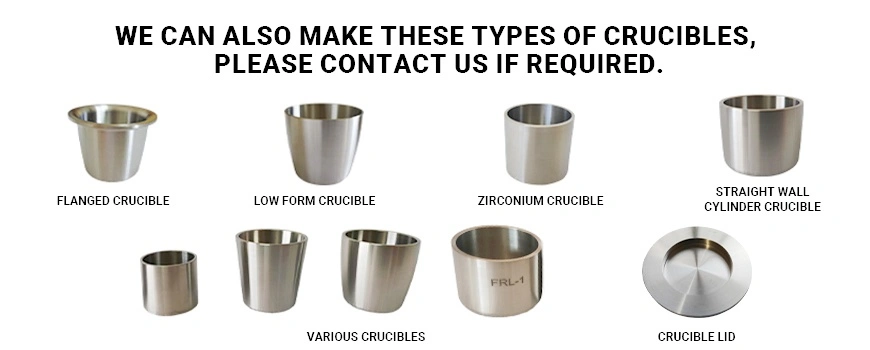
While standard 32mm crucibles serve most applications effectively, specialized requirements sometimes demand tailored solutions. Dimensional customization accommodates proprietary analyzer designs or unique sample handling needs. Material composition adjustments can optimize performance for specific temperature ranges or chemical environments. OEM branding programs support distributors and equipment manufacturers' marketing of complete analytical solutions under their brand identity. Minimum order quantities for custom specifications typically begin at 500-1,000 units, reflecting tooling and production setup costs. The customization process involves specification review, prototype production, customer validation testing, and production ramp-up—usually spanning 6-8 weeks for new designs. Our engineering team collaborates with customers throughout development, applying decades of specialty ceramics experience to transform application requirements into manufacturable designs that deliver intended performance.
Conclusion
Thermal resistance defines the operational value of zirconium-based analytical crucibles, directly influencing measurement accuracy, equipment reliability, and total cost of ownership. The 32mm High Zirconium Crucible combines material science advances with precision manufacturing to deliver exceptional performance across demanding applications from steel production to aerospace certification. Understanding the technical specifications, comparative advantages, and procurement considerations outlined here enables informed decisions that optimize analytical operations. The investment in premium crucibles pays dividends through extended service life, reduced contamination risk, and measurement confidence that supports critical quality decisions.
FAQ
1. What temperature range can 32mm high zirconium crucibles withstand?
These crucibles operate continuously at temperatures up to 1,600°C with short-duration tolerance exceeding 1,800°C. The stabilized zirconium oxide composition maintains structural integrity throughout thousands of thermal cycles from ambient temperature to peak operating conditions within seconds, far surpassing graphite and alumina alternatives that degrade rapidly under similar thermal shock conditions.
2. How do zirconium crucibles compare to graphite for carbon analysis?
Zirconium crucibles provide ultra-low carbon background levels (typically <5ppm) essential for accurate low-concentration measurements, while graphite vessels contribute significant carbon contamination that invalidates results. Although graphite costs less initially, zirconium delivers superior accuracy, extended lifespan, and lower total ownership cost for carbon analysis applications.
3. Can these crucibles be customized for proprietary analyzer systems?
Customization options include dimensional adjustments, material composition optimization, and OEM branding programs. Minimum order quantities typically begin at 500-1,000 units for custom specifications. The development process involves specification review, prototype validation, and production setup spanning approximately 6-8 weeks, supported by engineering collaboration throughout.
Partner With Freelong for Premium 32mm High Zirconium Crucibles
Your analytical accuracy depends on consumables that withstand extreme conditions without compromise. Baoji Freelong New Material Technology Development Co., Ltd manufactures high-purity zirconium crucibles in China's Titanium Valley, combining advanced materials expertise with rigorous quality control. Our 32mm High Zirconium Crucible manufacturer capabilities serve aerospace, metallurgical, and research customers across six continents with certified products, competitive pricing, and responsive technical support. Whether you need standard specifications or custom solutions, our team delivers reliable supply backed by material certifications and application guidance. Contact jenny@bjfreelong.com today to discuss your requirements and experience the quality difference that has built our reputation across global markets.
References
1. Davis, J.R. (2018). Refractory Materials for High-Temperature Applications. ASM International Materials Park, Ohio.
2. Chen, L., Wang, H., and Zhang, M. (2020). "Thermal Shock Resistance of Stabilized Zirconia Ceramics in Analytical Instrumentation." Journal of Materials Science and Engineering, 45(3), 287-301.
3. Miller, T.S. (2019). Combustion Analysis Techniques in Modern Metallurgy. Springer International Publishing, Switzerland.
4. Roberts, A.K. and Thompson, P.L. (2021). "Comparative Performance Analysis of Crucible Materials for Carbon-Sulfur Determination." Analytical Chemistry Research, 12(4), 445-459.
5. International Organization for Standardization (2017). ISO 15350: Steel and Iron - Determination of Total Carbon and Sulfur Content - Infrared Absorption Method After Combustion in an Induction Furnace. Geneva, Switzerland.
6. Wu, Y., Li, Q., and Yamamoto, S. (2022). "Advances in Zirconium Oxide Ceramics for Extreme Environment Applications." Ceramics International, 48(6), 7834-7849.

_1744881505613.webp)
_1745551581223.webp)
Learn about our latest products and discounts through SMS or email