- English
- French
- German
- Portuguese
- Spanish
- Russian
- Japanese
- Korean
- Arabic
- Greek
- German
- Turkish
- Italian
- Danish
- Romanian
- Indonesian
- Czech
- Afrikaans
- Swedish
- Polish
- Basque
- Catalan
- Esperanto
- Hindi
- Lao
- Albanian
- Amharic
- Armenian
- Azerbaijani
- Belarusian
- Bengali
- Bosnian
- Bulgarian
- Cebuano
- Chichewa
- Corsican
- Croatian
- Dutch
- Estonian
- Filipino
- Finnish
- Frisian
- Galician
- Georgian
- Gujarati
- Haitian
- Hausa
- Hawaiian
- Hebrew
- Hmong
- Hungarian
- Icelandic
- Igbo
- Javanese
- Kannada
- Kazakh
- Khmer
- Kurdish
- Kyrgyz
- Latin
- Latvian
- Lithuanian
- Luxembou..
- Macedonian
- Malagasy
- Malay
- Malayalam
- Maltese
- Maori
- Marathi
- Mongolian
- Burmese
- Nepali
- Norwegian
- Pashto
- Persian
- Punjabi
- Serbian
- Sesotho
- Sinhala
- Slovak
- Slovenian
- Somali
- Samoan
- Scots Gaelic
- Shona
- Sindhi
- Sundanese
- Swahili
- Tajik
- Tamil
- Telugu
- Thai
- Ukrainian
- Urdu
- Uzbek
- Vietnamese
- Welsh
- Xhosa
- Yiddish
- Yoruba
- Zulu
Durable Metal Crucibles: How Rimmed Zirconium Containers Enhance Lab Equipment Performance
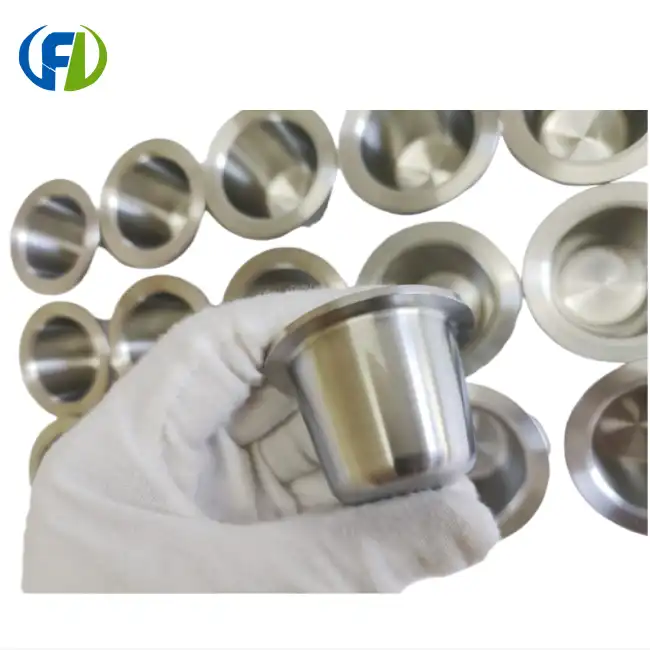
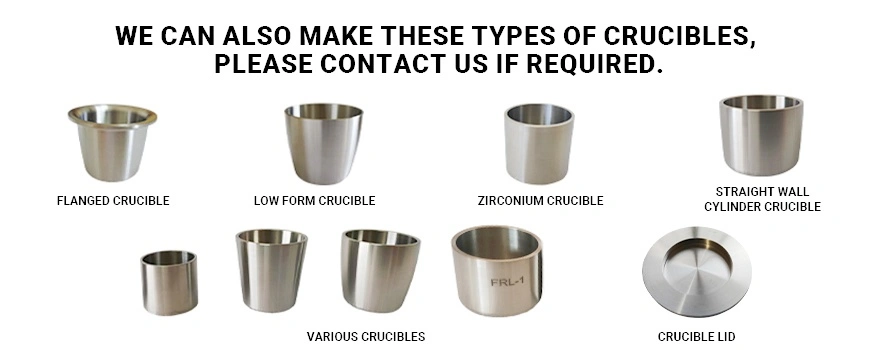
The Zirconium Crucible With Rim is an essential tool for labs and factories that need to do strong alkali fusions or high-temperature metal processing. This special vessel is made of reactor-grade zirconium, which is very resistant to corrosion, and has a reinforced flange design that makes it easier to handle and support. Unlike regular containers with a straight wall, rimmed zirconium crucibles keep their shape during molten flux transfers and don't deform under tong pressure. They are also a cheaper alternative to platinum—usually only a tenth of the price—while still meeting the high standards of analytical purity needed for testing aerospace alloys, preparing semiconductor materials, and geochemical analysis.
Introduction
Zirconium crucibles are very important in high-temperature lab and industrial settings, especially for melting metals that need to be very durable and chemically stable. At Baoji Freelong New Material Technology Development Co., Ltd., we see a lot of situations where the choice of material has a direct effect on the success of a process. We've seen how rimmed zirconium crucibles improve operational outcomes for clients in making aerospace parts, getting semiconductor materials ready, and making battery electrodes. This piece talks about specialised rimmed zirconium crucibles and how their new designs improve safety and performance. This content is designed to help B2B procurement professionals like manufacturers, engineers, purchasing managers, and distributors make better decisions about what to buy by giving them useful information on material properties, operational benefits, and procurement issues. This helps them trust good suppliers and make smart decisions.
Understanding Zirconium Crucibles with Rim: Features and Benefits
Rimmed zirconium crucibles have better performance in harsh settings because they mix the improved qualities of zirconium with a useful rim design. Because we've made boats in China's Titanium Valley before, we've been able to improve these boats to meet the high standards of markets in Australia, Germany, and the US.
Material Grade and Composition
Most buildings use zirconium of the UNS R60702 grade, which is more than 99.2% pure (Zr + Hf combined). The mass of this industrial-grade material is 6.51 g/cm³, and its melting point is close to 1855°C. However, in oxidising atmospheres, it can't be used beyond a lower realistic limit. When heated, a self-healing zirconium dioxide layer forms on top of the base. This layer protects against degradation over time, which is something that ceramic or metal options can't do.
The Rim's Structural Advantage
The built-in ring at the opening of the Zirconium Crucible With Rim changes how these crucibles work when they are under stress in a big way. By making the moment of inertia higher at the mouth of the vessel, the rim design greatly lowers ovality distortion during thermal cycling, which is a common way for rimless models to fail. When robotic grippers in automated fusion systems like Katanax or Claisse machines move crucibles between furnaces and casting stations, the rim provides secure contact points that keep the crucibles from slipping and losing samples in a big way.
CKhemical Resistance Profile
Zirconium is great for working with reactive metals and harsh chemicals because it is very stable at high temperatures, doesn't rust, and doesn't react with other materials. The substance is very strong against liquid alkalis like sodium hydroxide, potassium hydroxide, sodium carbonate, and sodium peroxide. These are chemicals that quickly damage platinum surfaces or break down borosilicate glass completely. We have sold these crucibles to chemical processing labs that use hydrofluoric acid for digestions. The zirconium container allows for complete evaporation and concentration without vessel degradation, which is not possible with regular materials.
Performance Optimization: How Rim Design Enhances Crucible Efficiency
Zirconium crucibles work much more efficiently because of the rim design, which goes beyond what the material qualities alone can do. Our research team has recorded changes that can be seen in how well the system handles heat, how long it lasts, and how often it needs to be serviced.
Thermal Management Capabilities
The reinforced rim structure allows even heat distribution and containment at very high temperatures—often above 2000°C in certain applications—while lowering the risk of thermal shock that could damage the vessel's integrity. In geochemical XRF analysis, the rim stays the same size even as temperatures quickly rise from room temperature to 800°C during sodium peroxide fusion processes. This controlled expansion stops the tiny cracks from forming in ceramic alternatives that happen after many thermal cycles.
Extended Service Life
Chemically, the rim makes it stronger against harsh environments, and its mechanical strength stays the same after a long time of use. When working with brittle materials like chromite, magnetite, or zircon sand, laboratories that do regular ore digestions say that these crucibles last 20 to 50 times longer than porcelain ones. The structural support of the rim stops the mouth from slowly deforming, which happens with rimless vessels over time, and makes them unsuitable for automatic equipment caps and closing mechanisms.
Operational Efficiency Gains
Maintenance is easier because the rim makes the equipment easier to move, clean, and store, which extends its life. Technicians can hold the flange securely with tongs during moves without putting too much pressure on the thin sides. The inside surface is chemically polished and usually has a roughness level below 0.4 micrometres. This keeps samples from sticking together and causing memory effects between analyses. This means that labs and business owners can get more work done and less downtime. They can also save money and improve performance, which has a direct effect on the economics of processing each sample.
Comparing Zirconium Crucibles with Rim vs Other Crucibles
Graphite, ceramic, quartz, and alumina crucibles, crucibles without rims, and rimmed zirconium crucibles are better in important ways that are important to analytical labs and precision manufacturing.
Material Performance Matrix
Platinum crucibles are still the best way to make something solid, but they are very expensive to buy—between $3,000 and $8,000 per dish, based on its size. When it comes to chemical resistance to alkali flux attacks, Zirconium Crucible With Rim rimmed zirconium containers are about a tenth of the price. Graphite crucibles are very good at conducting heat, but they react with oxidising environments and add carbon pollution that makes ICP-MS or ICP-OES trace element research unusable.
Ceramic and alumina tanks break when they are suddenly heated or cooled, and they also can't handle the mechanical pressures of systems that move them around automatically. In hydrofluoric acid and alkaline environments, quartz breaks down quickly. The rim makes it safer and easier to use, which is a big plus over models without rims that bend when tongs hit them over and over again. Zirconium is not reactive with certain metal alloys, like graphite or ceramics, which are. This makes it a popular choice for high-purity tasks in areas like developing aircraft superalloys and testing nuclear materials, where ceramic inclusions must be avoided.
Application-Specific Selection
By comparing these options, procurement teams can find crucibles that meet the needs of their processes while taking into account things like budget, application, and chemical compatibility. Zirconium's low neutron capture cross-section and lack of metallic ion contamination are good for aerospace manufacturers who melt titanium-aluminum alloys. Battery material makers work with lithium compounds like how stable the material is electrochemically, which stops unwanted side reactions from happening during material creation.
Procurement Guide for Rimmed Zirconium Crucibles
Getting rimmed zirconium crucibles requires more than just comparing unit costs. It also requires a strategic evaluation of pricing, supplier reliability, and logistics.
Pricing and Value Analysis
The high-quality materials and precise craftsmanship that go into making them mean that they cost a lot, but the long-term value is justified by how long they last and how well they work. A rimmed crucible with a capacity of 50ml is the standard for analytical sample sizes ranging from 0.1g to 2.0g. It is the best balance between the cost of the material and its usefulness. Procurement managers should include the regularity of replacements, sample repeats due to contamination, and downtime for equipment repair in the total cost of ownership.
Supplier Qualification Criteria
By choosing certified suppliers with OEM capabilities and warranty support, you can be sure that the products you buy are real and that your operations are safe. Checking for compliance with ASTM B550 and B493 is a good idea. These standards set minimum purity levels and allowable manufacturing errors. When nuclear-grade purity is needed, suppliers should provide material certification that shows how much hafnium is in the material. However, standard 702 grade is fine for most lab uses.
Quality Verification Parameters
To make sure they fit properly with fusion machine lids, important checking points include making sure the rim width and smoothness are within ±0.2mm of each other. When you deep-draw something, you can leave behind stresses that show up as tiny cracks when the temperature changes. Suppliers with a good reputation check for these problems before they ship by using dye penetrant inspection or hydrostatic testing. Verification of the surface finish shows that the internal cleaning meets the <0.4µm sharpness requirement, which is necessary to keep samples from being used in more than one analysis.
Logistics and Customization
This purchase framework lays out important buying factors, such as minimum order amounts, wait times, customisation options, and foreign shipping. It helps B2B clients evaluate suppliers more quickly and easily, while also reducing risks. Our Baoji plant keeps a stock of standard setups and can also make unique sizes and rim shapes for automatic systems that need them. International exports to partners in Malaysia, the Middle East, and Taiwan usually need three to four weeks' notice, along with all the necessary paperwork, such as Certificates of Analysis and records of how the materials were sourced.
Case Studies: Success Stories Using Rimmed Zirconium Crucibles
Real-world applications of Zirconium Crucible With Rim concretely demonstrate the advantages of rimmed zirconium crucibles across diverse industrial sectors where material performance directly correlates with operational success.
Aerospace Alloy Development Laboratory
A leading aerospace component manufacturer developing next-generation titanium-aluminum alloys faced persistent contamination issues when using ceramic crucibles for experimental melt trials. Trace ceramic inclusions were compromising mechanical testing results and introducing variability into alloy composition data. After switching to our rimmed zirconium crucibles, the metallurgy team achieved enhanced metal melting efficiency with zero detectable contamination in electron microscopy analysis. The rim design allowed seamless integration with their automated sampling system, reducing manual handling by 70% and cutting process cycle time by 45 minutes per batch.
Geochemical Analysis Service Provider
A commercial laboratory processing 200+ ore samples daily for mining exploration clients struggled with crucible lifespan and handling safety. Their previous porcelain vessels required replacement every 15-20 fusion cycles, creating substantial recurring costs and disposal challenges. The transition to 50ml rimmed zirconium crucibles extended service life beyond 500 cycles, while the reinforced rim eliminated three handling-related breakages that had previously caused sample loss and client disputes. The laboratory calculated ROI achievement within seven months based solely on replacement cost savings, not accounting for improved throughput and reduced worker injury risk.
Battery Material Production Facility
Battery material producers benefit from exceptional chemical resistance, safeguarding product purity and process consistency during lithium compound synthesis. A manufacturer of cathode materials for electric vehicle batteries implemented rimmed zirconium crucibles for their precursor calcination process. The electrochemical stability prevented trace metal leaching that had periodically contaminated batches when using nickel containers. Quality control data showed a 40% reduction in batch rejection rates, directly improving production yield and meeting the strict consistency requirements of automotive OEM customers.
These case studies distill valuable lessons and best practices, underscoring how strategic selection of quality crucibles can solve industrial challenges, improve operational outcomes, and deliver measurable ROI for engineering and manufacturing environments where process reliability determines competitive advantage.
Conclusion
Rimmed zirconium crucibles are an example of how material science and practical engineering can work together to solve real-world problems in harsh chemical and high-temperature environments. The strengthened rim design makes handling safer, and the zirconium base provides superior resistance to rust and heat stability compared to other materials. When purchasing lab tools, procurement workers should look at the total lifetime costs instead of just the original purchase price. This is because longevity and contamination protection directly affect the accuracy of analyses and the speed of production. Industries are moving toward higher purity standards and automated processing systems. Because of their structural benefits and chemical inertness, rimmed zirconium crucibles are becoming necessary tools for aerospace metallurgy, semiconductor manufacturing, battery material production, and analytical chemistry labs that strive for operational excellence.
FAQ
1. What temperature range can rimmed zirconium crucibles withstand?
Rimmed zirconium crucibles fabricated from UNS R60702 grade material feature a melting point near 1855°C. Practical operational limits in air environments typically reach 500-600°C for extended periods before oxide layer thickening becomes significant. Specialized applications in inert atmospheres or vacuum conditions can push working temperatures higher, though most alkali fusion processes operate between 400-900°C well within the material's stable performance envelope.
2. How does the rim enhance safety compared to standard crucibles?
The reinforced flange provides secure gripping points for tongs and robotic handlers, eliminating the need to apply crushing pressure to thin sidewalls that can cause deformation or puncture. The rim prevents rollover accidents during transfer operations and ensures proper seating in furnace racks or automated equipment lids. This structural feature reduces operator injury risk and prevents sample spillage incidents that compromise both safety and analytical data integrity.
3. Can rimmed zirconium crucibles be custom-manufactured?
Reputable suppliers, including our facility, offer customization for specific dimensional requirements, rim profile variations, and capacity adjustments beyond standard sizes. Custom fabrication typically requires providing detailed technical drawings, application specifications, and minimum order quantities to justify tooling investments. Lead times for bespoke configurations generally extend 6-8 weeks beyond standard inventory items.
Partner with Freelong for Premium Zirconium Crucible Solutions
Baoji Freelong New Material Technology Development Co., Ltd stands ready to support your laboratory and production requirements with proven rimmed zirconium crucible technology. As an established zirconium crucible with rim manufacturer located in China's Titanium Valley, we combine decades of rare metal fabrication expertise with responsive customer service that has earned trust across aerospace, semiconductor, and analytical chemistry sectors worldwide. Our quality management systems ensure every vessel meets ASTM specifications with complete material traceability and performance documentation. Whether you need standard 50ml analytical crucibles or custom-engineered solutions for specialized automated systems, our technical team provides consultation to match crucible specifications precisely to your process requirements. Contact jenny@bjfreelong.com today to discuss your application challenges and request detailed specifications along with competitive quotations. We maintain strategic inventory for rapid fulfillment to partners throughout North America, Europe, Asia, and the Middle East, backed by our commitment that quality is our responsibility—we never compromise on material integrity or fabrication precision.
References
1. Davis, J.R. (Ed.). (2000). Nickel, Cobalt, and Their Alloys. ASM International Handbook Committee, Materials Park, Ohio.
2. Lampman, S. (1997). Characterization and Failure Analysis of Plastics. ASM International, Metals Handbook Series.
3. Pourbaix, M. (1974). Atlas of Electrochemical Equilibria in Aqueous Solutions. National Association of Corrosion Engineers, Houston, Texas.
4. Reed-Hill, R.E. & Abbaschian, R. (1994). Physical Metallurgy Principles (3rd Edition). PWS Publishing Company, Boston.
5. Shackelford, J.F. & Alexander, W. (Eds.). (2001). CRC Materials Science and Engineering Handbook (3rd Edition). CRC Press, Boca Raton, Florida.
6. Totten, G.E. & MacKenzie, D.S. (Eds.). (2003). Handbook of Aluminum: Physical Metallurgy and Processes. Marcel Dekker Inc., New York.

_1770620968346.png)
_1769764778510.png)
_1751438453544.webp)
Learn about our latest products and discounts through SMS or email