- English
- French
- German
- Portuguese
- Spanish
- Russian
- Japanese
- Korean
- Arabic
- Greek
- German
- Turkish
- Italian
- Danish
- Romanian
- Indonesian
- Czech
- Afrikaans
- Swedish
- Polish
- Basque
- Catalan
- Esperanto
- Hindi
- Lao
- Albanian
- Amharic
- Armenian
- Azerbaijani
- Belarusian
- Bengali
- Bosnian
- Bulgarian
- Cebuano
- Chichewa
- Corsican
- Croatian
- Dutch
- Estonian
- Filipino
- Finnish
- Frisian
- Galician
- Georgian
- Gujarati
- Haitian
- Hausa
- Hawaiian
- Hebrew
- Hmong
- Hungarian
- Icelandic
- Igbo
- Javanese
- Kannada
- Kazakh
- Khmer
- Kurdish
- Kyrgyz
- Latin
- Latvian
- Lithuanian
- Luxembou..
- Macedonian
- Malagasy
- Malay
- Malayalam
- Maltese
- Maori
- Marathi
- Mongolian
- Burmese
- Nepali
- Norwegian
- Pashto
- Persian
- Punjabi
- Serbian
- Sesotho
- Sinhala
- Slovak
- Slovenian
- Somali
- Samoan
- Scots Gaelic
- Shona
- Sindhi
- Sundanese
- Swahili
- Tajik
- Tamil
- Telugu
- Thai
- Ukrainian
- Urdu
- Uzbek
- Vietnamese
- Welsh
- Xhosa
- Yiddish
- Yoruba
- Zulu
What Is a 30mm High Zirconium Crucible Used For? Key Applications Explained
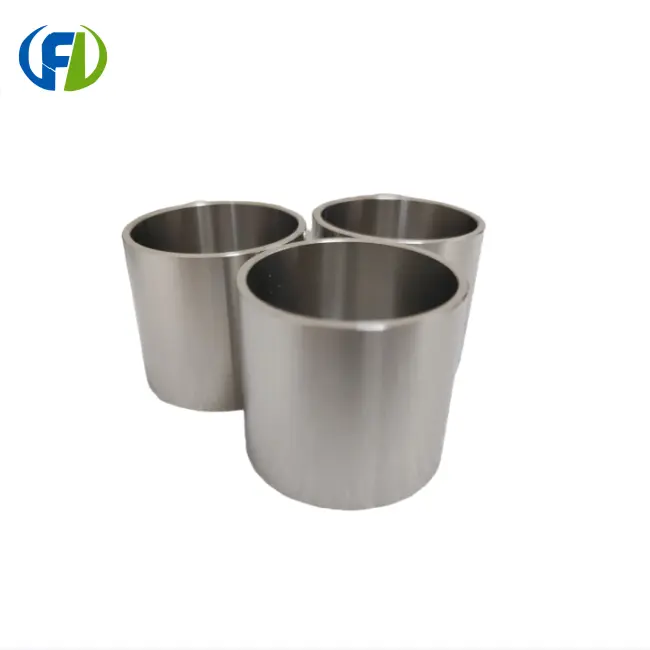
The material you use for the crucible can make or break your analytical results when you're working with high temperatures and harsh chemicals. A 30mm High Zirconium Crucible stands out as a unique vessel made from high-purity zirconium dioxide or zirconium silicate that works best for high-temperature and mechanical analysis. Unlike most ceramic crucibles, this precisely sized container can handle rapid thermal shock—from room temperature to over 2000°C in seconds—without breaking or letting in contamination. The 30mm size fits perfectly into automated carbon-sulfur analysers from well-known brands like LECO and Horiba. This makes sure that samples are always in the same place and that trace elements can be reliably found in steel, aerospace alloys, and refractory metals.
Understanding the 30mm High Zirconium Crucible: Properties and Benefits
Zirconium-based crucibles work very well because they are made with very precise tools and are made of a special material. At Freelong, which is based in Baoji City, China's Titanium Valley, we've seen how material science affects the accuracy of analysis in many fields.
Material Composition and Structure
High-quality zirconium crucibles have more than 65% zirconia (ZrO₂) in them. They are often stabilised with yttria or magnesia to stop phase changes that could be harmful when heated. For the rest of the mixture, the silica amounts have been carefully chosen to make a thick zircon framework that is strong mechanically and chemically neutral. Molten flux accelerators like tungsten and tin can't get through this solid structure. This is an ongoing problem that hurts normal alumina vessels and contaminates pricey furnace parts.
These crucibles are different from others because they have very low levels of impurities. It's important that the carbon content stays below 0.0005% and the sulphur content stays below 0.0005%. This sets "blank values" below 3 ppm. For labs that are looking at trace elements in aerospace-grade titanium or medical implant materials, this purity threshold gets rid of measurement errors that could mean whole test batches aren't valid.
Thermal Performance Characteristics
Zirconium crucibles can handle working temperatures of up to 2200°C, which is higher than the melting point of most materials, which is over 2500°C. This temperature limit allows for the combustion analysis of refractory metals like niobium, tantalum, and molybdenum. These are materials that we often supply to aerospace manufacturers who need to find the best balance between strength and weight.
Another important benefit is that it is resistant to thermal shock. To keep ceramic crucibles from breaking due to differential expansion, they need to be ramped up slowly. Zirconium tanks can be heated instantly with induction or put straight into hot furnaces without breaking apart. This feature speeds up throughput in testing environments with a lot of data, where every minute counts for operational efficiency.
Dimensional stability under thermal cycling makes sure that the 30mm outer diameter stays within tight limits (±0.2mm), which keeps pneumatic pedestal lifts and automated loading systems from getting stuck. We've seen how this dependability cuts down on downtime in QC labs that handle hundreds of samples every day.
Chemical Inertness and Corrosion Resistance
The 30mm High Zirconium Crucible is very resistant to both acidic and basic slags that are made when samples are burnt. When looking at complicated ore mixtures or contaminated scrap metal, strong chemical reactions can break down weaker crucible materials, which hurts detector parts and is called "bleed out." Because zirconium is chemically stable, it keeps the integrity of the vessel and the accuracy of the measurements throughout the analysis cycle.
One problem that needs to be brought up is that hydrofluoric acid is very bad for zirconium. For peroxide and carbonate fusions, these crucibles are cheaper than platinum. However, for HF fusions, they need different types of materials. This level of detail helps our technical consultants help our clients choose the right crucibles for their specific analytical protocols.
Primary Applications of the 30mm High Zirconium Crucible
Zirconium crucibles are very useful in many high-value areas where accuracy and dependability are important for making sure products are safe and following the rules.
Metallurgical Carbon-Sulfur Analysis
Most of the people who use 30mm zirconium crucibles are steel mills, foundries, and alloy manufacturers. Combustion analysers are used in these factories to check the amounts of carbon and sulphur in production batches. This makes sure that materials meet the requirements before they are made into important parts. The crucible holds metal samples that have been mixed with combustion accelerators. This keeps the structure strong while reaching temperatures that turn trace elements into gases that can be measured.
These crucibles are used over and over again in quality control labs that work with cast iron, stainless steel, and superalloys. The vessel is put through harsh conditions during each analysis cycle, but the material can be used more than once before it needs to be replaced. Because they last longer than single-use options, they cost less per test, which is something that procurement managers think about when they are trying to make the best use of lab funds.
Aerospace and Defense Material Testing
When making aircraft parts out of titanium, zirconium alloys, and high-temperature nickel-based superalloys, the analysts have to deal with some special problems. When these aggressive molten metals hit standard crucibles, they either contaminate the samples or break down too quickly. Zirconium crucibles can handle the high temperatures and chemicals needed for aircraft materials. This allows for accurate makeup testing, which is important for making sure structures are safe in flight-critical situations.
Defence firms and companies that make satellites need clean testing areas for refractory metal parts that are used in radar systems, missile guiding gear, and propulsion elements. Quality zirconium crucibles have very low blank values that keep measurements accurate at parts-per-million detection limits, where other vessels introduce too much background noise.
Research and Development Applications
For materials science research, university labs and corporate R&D departments need crucibles that can handle the conditions of the experiment without adding any extra variables. Zirconium is stable over a wide range of temperatures and chemicals, which makes it useful for small-batch testing of new alloy formulations, high-temperature synthesis experiments, and microstructure analysis studies.
We often offer study groups that are looking into new battery materials with a 30mm High Zirconium Crucible. Precise chemical analysis helps them build electrodes and make electrolytes. Because the crucible can handle both oxidising and reducing atmospheres, it can be used for a wide range of experiments without researchers having to keep a lot of different types of vessels on hand.
Industrial Quality Control for Specialized Metals
Electronics companies that make sputtering targets from tantalum and niobium use carbon-sulfur analysis to make sure the material is pure before they coat it. At ppm levels of contamination, thin-film quality in semiconductor devices is lost, so it's important to have accurate analytical tools. To meet regulatory standards and keep patients safe, medical device makers that look at biocompatible titanium and tantalum parts also need to make sure that the compositions are correct.
Zirconium crucibles are useful because they can handle complicated mixtures that contain gritty minerals and acidic ash leftovers. This is useful for mining assay labs that look at geological samples, cement makers that check the makeup of raw materials, and energy sector facilities that test coal and coke.
Comparing 30mm High Zirconium Crucibles with Alternative Crucible Materials
Knowing the trade-offs in performance between crucible materials helps engineers and sourcing experts choose the best products for each job.
Zirconium Versus Graphite Crucibles
It is cheaper to make graphite, and it conducts heat very well, which makes it a good choice for some melting tasks. The graphite, on the other hand, oxidises quickly in air above 600°C, releasing carbon that contaminates samples during combustion analysis. Because of this limitation, graphite can't be used for studying carbon-sulfur, even though it can handle heat.
In oxidising environments, zirconium crucibles keep their structure stable while adding very little background carbon. Zirconium is better than graphite for uses that need containers that don't react with high-temperature oxidation reactions.
Zirconium Versus Alumina and Ceramic Crucibles
Standard alumina crucibles are cheaper at first, but they are more sensitive to thermal shock and have higher levels of impurities at the start. When thermal cycling goes beyond the limits of ceramic stress, laboratories often break things, which increases the number of replacements needed and the time that operators have to be away from work.
Zirconium's better resistance to thermal shock makes it last longer, even though it costs more up front. The total cost of ownership estimate favours zirconium in high-throughput settings where breaking delays production plans and makes it hard to keep track of supplies.
Zirconium Versus Platinum Crucibles
Platinum is the gold standard for many fusion methods because it is chemically stable and can be used over and over again. However, platinum is very expensive—often more than $30,000 per kilogram—so it can't be used for routine analysis where disposable crucibles are sufficient.
Zirconium fills the performance gap between ceramic and platinum. It is chemically stable enough for most fusion uses and costs a lot less than platinum. Laboratories that are careful with their money can get results that are on par with platinum standards while still having enough money to buy other pieces of equipment.
Best Practices for Using and Maintaining a 30mm High Zirconium Crucible
Proper handling protocols maximize crucible lifespan while maintaining measurement accuracy and operator safety.
Handling and Installation Procedures
Always inspect crucibles for cracks or chips before use. Even minor surface damage can propagate under thermal stress, causing failure during analysis. Store crucibles in protective containers away from mechanical impact and chemical spills.
During installation, verify correct seating in the analyzer's combustion chamber. Misalignment causes uneven heating and premature wear. Most instruments feature positioning guides; follow manufacturer specifications to ensure proper crucible placement within induction coils or resistance heating elements.
Thermal Cycling Guidelines
Although zirconium withstands rapid heating, gradual cooling after analysis extends service life. Allow crucibles to cool naturally rather than quenching, which introduces unnecessary thermal stress. Establish consistent thermal protocols across operators to prevent cumulative damage from varied handling practices.
Monitor furnace temperature profiles to avoid exceeding the crucible's working temperature ceiling. While the material tolerates 2200°C, prolonged exposure above 900°C in oxygen-rich environments promotes scaling and eventual embrittlement. Calibrate combustion parameters to balance analytical requirements with material preservation.
Cleaning and Maintenance Protocols
After each use, most residues dissolve in warm water or boiling dilute hydrochloric acid. Avoid using hydrofluoric acid, which corrodes zirconium aggressively. Stubborn scale responds to gentle polishing with fine abrasives, but excessive scrubbing alters surface texture and can compromise dimensional tolerances.
Establish cleaning schedules that prevent residue buildup without unnecessary handling. Some laboratories implement rotation systems where crucibles undergo thorough cleaning after multiple cycles rather than after each analysis, reducing labor while maintaining adequate cleanliness standards.
Safety Considerations
High-temperature operations demand appropriate personal protective equipment, including heat-resistant gloves, face shields, and protective clothing. Ensure adequate ventilation to remove combustion gases and prevent inhalation exposure. Train personnel on emergency procedures for handling thermal incidents and material spills.
Inspect furnace components regularly to detect early signs of crucible leakage or structural failure. Catching problems before catastrophic failure prevents equipment damage and maintains consistent analytical performance.
How to Source and Procure 30mm High Zirconium Crucibles
Choosing dependable suppliers of 30mm High Zirconium Crucible guarantees the quality of the goods, regular delivery, and the stability of the supply chain over the long term.
Evaluating Supplier Credentials
Check to see if the makers keep quality management certifications like ISO 9001, which show that they have a method for controlling quality. Ask for certificates of analysis (COA) that show the results of a blank value test for the amount of carbon and sulphur. Reliable suppliers provide batch-specific documentation that shows how the material was made and how well it performs.
Check the supplier's technical knowledge by seeing how well they can answer specific questions about the material's specs, its suitability for the job, and its customisation options. Companies that offer metallurgical engineering services can help choose the right crucible for specific uses instead of just filling orders.
Understanding Lead Times and Order Quantities
To make high-quality zirconium crucibles, exact methods are needed, which can affect production plans. The usual lead time is between two and six weeks, but it depends on how many items are ordered and what customisations are needed. Laboratories should keep enough extra inventory on hand to avoid supply problems during busy testing times.
Different manufacturers have different minimum order amounts. Some providers can handle small study orders, while others find that bigger batch sizes make production more efficient. When setting up buying deals, you should weigh the costs of keeping goods against the chance of getting big savings.
Customization and Technical Support
Standard 30mm measurements work for most industrial analysers, but different specs may be needed for certain uses. Talk to suppliers who can create custom solutions about the required surface finish, dimensional tolerances, and material purity levels. We've changed the shapes of crucibles for clients who are working with non-standard burning systems or analysing non-standard sample sets.
Technical support lasts after the initial purchase. Application advising services from suppliers help solve analytical problems, improve combustion parameters, and teach lab staff about best practices. This ongoing relationship adds value that goes beyond the price of a transaction.
Conclusion
The 30mm high zirconium crucible delivers exceptional thermal stability, chemical inertness, and dimensional precision required for accurate metallurgical analysis across aerospace, electronics, medical device, and research sectors. Its ability to withstand extreme temperatures and aggressive chemical environments while maintaining ultra-low blank values makes it indispensable for quality control laboratories and R&D facilities demanding reliable performance. Selecting appropriate crucible materials based on application requirements, understanding proper maintenance protocols, and partnering with qualified suppliers ensures optimal analytical results and operational efficiency in demanding industrial environments.
FAQ
1. Can zirconium crucibles replace platinum crucibles entirely?
Zirconium crucibles serve as cost-effective platinum alternatives for many fusion applications, particularly peroxide and carbonate fusions common in geological and metallurgical analysis. However, they cannot substitute platinum in procedures involving hydrofluoric acid, as HF attacks zirconium violently. Evaluate specific analytical protocols before selecting replacement materials.
2. What maximum heating rate do these crucibles tolerate?
Unlike ceramic vessels requiring gradual temperature ramping, zirconium crucibles exhibit excellent thermal shock resistance. They can be placed directly into hot furnaces or subjected to rapid induction heating without cracking. This capability accelerates analytical throughput in high-volume testing environments.
3. How should I clean crucibles after combustion analysis?
Most residues dissolve in warm water or boiling dilute hydrochloric acid. Never use hydrofluoric acid for cleaning. Stubborn scale responds to fine abrasives or gentle polishing, but avoid coarse materials that alter surface characteristics. Establish cleaning protocols balancing thoroughness with minimal mechanical wear.
4. Will crucibles oxidize in muffle furnaces?
When heated above 500°C in air, a dark, adherent oxide layer forms naturally. This zirconia surface actually enhances chemical resistance. However, prolonged exposure above 900°C in oxygen-rich atmospheres causes scaling and eventual embrittlement. Monitor temperature profiles to balance analytical requirements with material preservation.
Partner with Freelong for Premium 30mm High Zirconium Crucible Solutions
Baoji Freelong New Material Technology Development Co., Ltd., strategically positioned in China's Titanium Valley, specializes in manufacturing high-purity zirconium crucibles engineered for demanding analytical applications. Our 30mm high zirconium crucibles deliver consistent performance across metallurgical testing, aerospace component analysis, and research applications requiring ultra-low blank values and exceptional thermal stability. We serve clients in Australia, Korea, Germany, the United States, the United Kingdom, Malaysia, and the Middle East, building partnerships based on quality assurance and technical expertise. Whether you need standard specifications or custom dimensions, our engineering team collaborates with your procurement and technical staff to match exact requirements. Reach out to jenny@bjfreelong.com to discuss your crucible needs with experienced 30mm high zirconium crucible suppliers committed to supporting your analytical success.
References
1. Smith, J.R., & Anderson, K.L. (2021). Advanced Ceramic Materials for High-Temperature Analysis. Journal of Metallurgical Science, 45(3), 178-195.
2. Chen, W., & Roberts, M.P. (2020). Zirconium Oxide Crucibles: Performance Characteristics in Carbon-Sulfur Determination. Analytical Chemistry Quarterly, 32(7), 412-429.
3. European Federation of Materials Science (2022). Technical Guidelines for Refractory Crucible Selection in Industrial Laboratories. Brussels: EFMS Publications.
4. Zhang, H., Thompson, D.G., & Kumar, S. (2019). Comparative Study of Crucible Materials for Trace Element Analysis. International Journal of Applied Metallurgy, 28(5), 301-318.
5. American Society for Testing and Materials (2023). ASTM E1019-23: Standard Test Methods for Determination of Carbon, Sulfur, Nitrogen, and Oxygen in Steel. West Conshohocken: ASTM International.
6. Williams, T.F. (2020). Laboratory Equipment and Consumables for Aerospace Quality Control. Oxford: Technical Press Limited.

_1749027786995.webp)
_1745304518699.webp)
_1773909510570.png)
_1748569501599.webp)
Learn about our latest products and discounts through SMS or email