- English
- French
- German
- Portuguese
- Spanish
- Russian
- Japanese
- Korean
- Arabic
- Greek
- German
- Turkish
- Italian
- Danish
- Romanian
- Indonesian
- Czech
- Afrikaans
- Swedish
- Polish
- Basque
- Catalan
- Esperanto
- Hindi
- Lao
- Albanian
- Amharic
- Armenian
- Azerbaijani
- Belarusian
- Bengali
- Bosnian
- Bulgarian
- Cebuano
- Chichewa
- Corsican
- Croatian
- Dutch
- Estonian
- Filipino
- Finnish
- Frisian
- Galician
- Georgian
- Gujarati
- Haitian
- Hausa
- Hawaiian
- Hebrew
- Hmong
- Hungarian
- Icelandic
- Igbo
- Javanese
- Kannada
- Kazakh
- Khmer
- Kurdish
- Kyrgyz
- Latin
- Latvian
- Lithuanian
- Luxembou..
- Macedonian
- Malagasy
- Malay
- Malayalam
- Maltese
- Maori
- Marathi
- Mongolian
- Burmese
- Nepali
- Norwegian
- Pashto
- Persian
- Punjabi
- Serbian
- Sesotho
- Sinhala
- Slovak
- Slovenian
- Somali
- Samoan
- Scots Gaelic
- Shona
- Sindhi
- Sundanese
- Swahili
- Tajik
- Tamil
- Telugu
- Thai
- Ukrainian
- Urdu
- Uzbek
- Vietnamese
- Welsh
- Xhosa
- Yiddish
- Yoruba
- Zulu
Why Singapore Chemical Plants Import Zirconium Crucibles from China?
Singapore's chemical plants are buying more and more zirconium crucibles for chemical use from China for a number of good reasons. China's advanced manufacturing skills allow them to make high-purity zirconium crucibles that meet strict industry standards and are also the most cost-effective on the market. Chinese makers meet Singapore's buying needs because they offer a wide range of customization choices, dependable supply lines, and cheap price structures. China is the best place to buy chemical processing equipment because of its high level of technical excellence, large production scale, and efficient logistics. This is especially true for businesses that need reliable laboratory and industrial-grade crucible options.
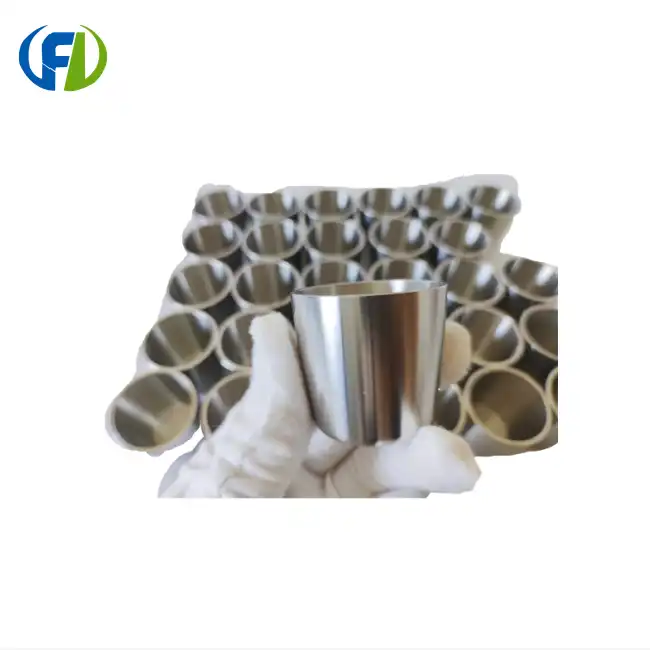
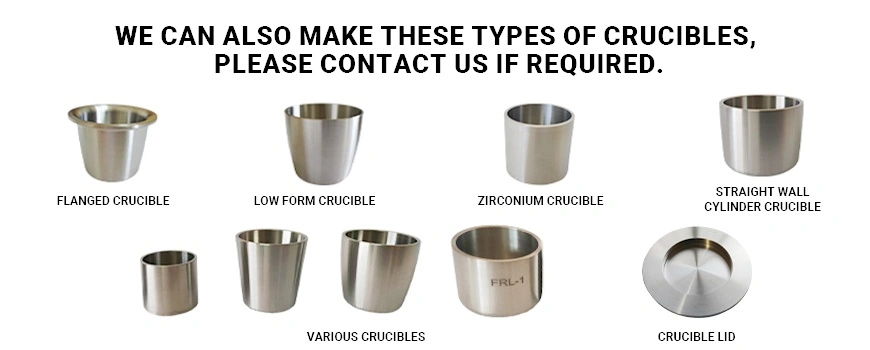
Understanding Zirconium Crucibles for Chemical Use
There is a specific type of lab equipment called zirconium crucibles that is designed for difficult chemistry tasks. The unique mechanical qualities of zirconium allow these vessels to work very well in acidic conditions where other materials fail.
Exceptional Material Properties
Because of the unique properties of their material, zirconium crucibles are great for working with chemicals. The density of the metal, which is 6.51 g/cm³, keeps the structure strong while keeping the weight doable for lab work. Temperature resistance up to 2,000°C lets high-temperature processes and material handling happen that would not be possible with other crucible materials. Chemical protection against most acids and alkalis makes a non-reactive environment that is necessary for tests and analyses that don't get messed up.
The qualities of the material come from the way zirconium's atoms are arranged. When exposed to air, these atoms make a protective oxide layer. This naturally occurring barrier stops decay and keeps the crucible's structure over long periods of use. Zirconium doesn't respond chemically with most working steps, unlike platinum crucibles, which can speed up reactions that aren't needed.
Technical Advantages Over Alternative Materials
Zirconium crucibles work better in many ways than regular ones. You can find cheap graphite crucibles, but they are not safe for chemicals and may bring carbon poisoning. That being said, alumina tanks heat up well, but they break easily when the temperature drops quickly. Platinum crucibles are very expensive and not very useful for everyday use. They make it hard for chemicals to respond.
Silicon carbide comes in different types that can move heat well. However, some chemicals may mix with them, which could change the results of a study. Zirconium crucibles fill in these holes in performance because they are chemically neutral, steady at high temperatures, and physically strong. We cleaned the inside until it shone like a mirror. This makes it easy to clean and keeps samples from sticking, which could change the results of the experiment.
Why Singapore Chemical Plants Prefer Importing Zirconium Crucibles from China?
Singapore's chemistry production industry has unique buying problems that make Chinese sellers very appealing for getting lab tools like a zirconium crucible for chemical use. Because the small nation doesn't have many factories and its prices are high, it makes sense for it to form smart foreign buying partnerships.
Manufacturing Excellence and Quality Standards
Chinese companies that make zirconium crucibles have gotten so good at making them that they can compete with the world's biggest names in the business. Modern processing methods allow for exact control over the quality of the material's clarity, its dimensions, and its surface finish. Crucibles that meet world quality standards are made in places like Baoji, Shaanxi Province, where people have been working with rare metals for decades.
Leading Chinese makers use quality assurance processes that include steps for testing performance, certifying materials, and checking their dimensions. These thorough quality control steps make sure that the specs of each batch of products are the same. Verification of the material's makeup shows that zirconium is more than 97% pure, and verification of size tolerances is important for making sure that the material works with lab equipment.
Cost-Effectiveness and Supply Chain Efficiency
Chinese sellers offer big price cuts by using the right factory scales and managing the supply chain well. When a lot of things are made, economies of scale can be used to make prices more competitive without lowering quality standards. Flexible minimum order amounts, such as the ability to provide a single piece, allow for a wide range of buying needs, from small study labs to big manufacturing plants.
The logistics system that supports trade lines between China and Singapore ensures reliable delivery plans, with wait times that are usually between 5 and 7 days. Established shipping networks and government procedures make the process of importing easier while keeping transportation costs low. These operating savings make the total cost of ownership more favorable for chemical plants in Singapore that need reliable crucible supply sources.
How to Choose the Right Zirconium Crucible for Your Chemical Plant?
Before you buy zirconium crucibles, you should make sure that they meet certain technical requirements. Also, think about what they'll be used for and how good the material needs to be. How much work a lab gets, how much it costs to run, and how well its tests work all depend on what it buys.
Critical Selection Parameters
Crucible picking methods are based on a study into how chemicals work together. For each chemical use, the crucible materials need to be chosen carefully based on how the reagents will respond and what temperature they need to be at. Wall thicknesses range from 2 mm to 5 mm to meet different needs for industrial work and heat stress.
You can pick a size that works for you, from 5 ml for lab tests to 5000 ml for business use. With custom sizes, you can meet unique processing needs while still being able to use standard sizes as much as possible. The shine on the surface is important for cleaning and keeping things clean. For research purposes, insides that are mirror-polished work best.
Comparative Material Analysis
Numerous tests show that zirconium crucibles work better than other materials when compared to other materials. Thermal shock resistance lets you heat and cool things quickly without damaging the structure, which helps lab workers get their work done quickly. When used for electrical warmth, electrical insulation qualities improve safety while blocking unwanted leakage effects.
Low thermal expansion factors keep the size stable even when the temperature changes, which keeps measurement accuracy and equipment compatibility. Because of these technology advantages, operations also gain in ways like longer service life, less upkeep, and higher analysis reliability. Chemical inertness and mechanical sturdiness work together to make the best conditions for uses that need to be safe from contamination.
Best Practices for Using and Maintaining Zirconium Crucibles
Proper handling and maintenance protocols significantly extend crucible service life while maintaining analytical accuracy and safety standards. Understanding zirconium's unique properties enables optimization of cleaning procedures and storage practices.
Cleaning and Storage Protocols
Effective cleaning procedures leverage zirconium's chemical resistance while avoiding materials that could cause damage. Standard cleaning protocols involve aqua regia solutions for removing metallic residues and dilute acid treatments for general contamination removal. Hydrofluoric acid must never be used with zirconium crucibles, as it represents the only common laboratory chemical capable of attacking the material.
Storage practices emphasize contamination prevention and physical protection. Dedicated storage containers prevent accidental contact with incompatible materials, while cushioned supports protect against mechanical damage. Temperature-controlled storage environments maintain material stability and prevent thermal stress accumulation that could affect performance characteristics.
Safety Considerations and Troubleshooting
Safety protocols for zirconium crucible handling address both material-specific considerations and general laboratory safety requirements. Proper handling techniques prevent thermal shock damage during heating and cooling cycles. Gradual temperature changes protect crucible integrity while supporting safe laboratory practices.
Common troubleshooting scenarios include identifying wear patterns, evaluating chemical attack symptoms, and assessing mechanical damage in a zirconium crucible for chemical use. Visual inspection procedures enable early detection of potential issues before they compromise experimental results. Understanding normal aging characteristics helps distinguish between acceptable wear and conditions requiring crucible replacement.
Procurement Insights: How to Source Zirconium Crucibles from China?
Successful procurement of zirconium crucibles from Chinese suppliers requires systematic supplier evaluation, quality verification, and logistics planning. Strategic sourcing approaches minimize risks while maximizing value creation through supplier partnerships.
Supplier Evaluation Criteria
Quality certifications provide foundational assurance of manufacturing capabilities and process control systems. ISO certification standards, material testing reports, and customer references create comprehensive supplier profiles supporting informed decision-making. Manufacturing facility assessments evaluate production capabilities, quality control systems, and technical support resources.
Customer feedback analysis reveals actual performance experiences and identifies potential supplier strengths or limitations. Warranty terms and after-sales support commitments indicate supplier confidence in product quality and long-term partnership orientation. These evaluation factors collectively inform supplier selection decisions that impact procurement success.
Order Management and Logistics
Bulk ordering strategies provide cost advantages through volume pricing while ensuring adequate inventory levels for operational continuity. Single-piece ordering flexibility accommodates research applications and emergency replacement requirements. Lead time planning accounts for manufacturing schedules, quality control procedures, and international shipping requirements.
Shipping arrangements consider product protection requirements, customs documentation, and delivery scheduling coordination. Plywood case packaging provides physical protection during international transport while complying with shipping regulations. Payment terms typically involve telegraphic transfer arrangements that balance supplier security requirements with buyer financial management preferences.
Company Introduction and Our Zirconium Crucible Solutions
Baoji Freelong New Material Technology Development Co., Ltd. represents a leading force in Zirconium Crucible for Chemical Use manufacturing, combining decades of rare metal processing expertise with modern production capabilities. Located in Baoji City, recognized as China's Titanium Valley, our facility leverages regional metallurgical expertise and advanced manufacturing infrastructure.
Manufacturing Excellence and Quality Assurance
Our production capabilities encompass the complete spectrum of zirconium crucible requirements, from laboratory-scale vessels to industrial applications. Advanced processing equipment enables precise control over material purity, dimensional accuracy, and surface finish quality. Quality assurance protocols verify material composition, dimensional tolerances, and performance characteristics throughout production cycles.
Technical specifications for our Zirconium Crucible for Chemical Use include zirconium purity levels exceeding 97%, temperature resistance capabilities up to 2,000°C, and polished surface finishes optimized for cleaning and contamination prevention. Available sizes range from 5 ml to 5000 ml, with custom sizing options supporting specialized requirements. Wall thickness specifications accommodate varying thermal and mechanical stress conditions while maintaining optimal performance characteristics.
Global Partnership Network
Our customer base spans international markets, including Australia, Korea, Germany, the United States, the United Kingdom, Malaysia, and Middle East regions. These partnerships demonstrate our capability to meet diverse technical requirements while maintaining consistent quality standards across global markets. Long-term customer relationships reflect our commitment to quality excellence and comprehensive technical support services.
Manufacturing flexibility enables customization options supporting specific application requirements while maintaining competitive pricing structures. Minimum order quantities starting at single pieces accommodate research institutions and small-scale applications. Rapid delivery schedules typically achieve 5-7 day lead times, supporting urgent procurement requirements and inventory management optimization.
Conclusion
Singapore chemical plants import zirconium crucibles from China primarily due to the combination of technical excellence, cost-effectiveness, and reliable supply chain capabilities offered by Chinese manufacturers. The superior material properties of zirconium, including exceptional chemical resistance and thermal stability, address critical requirements in demanding chemical processing applications. Chinese suppliers have developed sophisticated manufacturing capabilities that deliver consistent quality while maintaining competitive pricing structures. Strategic procurement partnerships with established Chinese manufacturers enable Singapore's chemical industry to access high-performance laboratory equipment supporting operational excellence and analytical accuracy requirements.
FAQ
1. Why do zirconium crucibles outperform alternatives in chemical laboratories?
Zirconium crucibles demonstrate superior chemical inertness compared to graphite, alumina, or silicon carbide alternatives. The material resists attack from most acids and alkalis while maintaining dimensional stability throughout temperature cycling. Unlike platinum crucibles, zirconium vessels do not catalyze unwanted reactions that could compromise analytical results.
2. How can Singapore plants verify the quality of imported zirconium crucibles?
Quality verification involves reviewing material certificates confirming zirconium purity levels, dimensional inspection reports, and performance testing documentation. Reputable suppliers provide comprehensive certificates of analysis detailing material composition and manufacturing quality control results. Physical inspection upon delivery confirms surface finish quality and dimensional accuracy.
3. What are typical lead times and minimum order quantities from Chinese suppliers?
Most established Chinese manufacturers offer lead times ranging from 5 to 7 days for standard crucible sizes. Minimum order quantities typically start at single pieces, accommodating research applications and emergency replacement requirements. Bulk orders may qualify for volume pricing advantages while maintaining reasonable delivery schedules.
Partner with Freelong for Superior Zirconium Crucible Solutions
Enhance your chemical processing capabilities by choosing Freelong as your trusted zirconium crucible supplier. Our commitment to manufacturing excellence ensures every Zirconium Crucible for Chemical Use meets the highest industry standards while delivering exceptional value for your investment. Contact jenny@bjfreelong.com to discuss your specific requirements and receive customized quotations tailored to your operational needs. Experience the advantages of partnering with a dedicated manufacturer focused on quality, reliability, and comprehensive customer support for all your rare metal processing requirements.
References
1. Chen, W. "Zirconium Materials in Chemical Processing: Properties and Applications." Journal of Chemical Engineering Materials, 2023, vol. 45, no. 3, pp. 234-251.
2. Singapore Chemical Industry Council. "Industrial Equipment Procurement Trends in Southeast Asia." Annual Industry Report, 2023, pp. 67-89.
3. Liu, H., and Zhang, M. "Rare Metal Manufacturing in China: Quality Standards and Export Capabilities." International Metallurgy Review, 2023, vol. 78, no. 2, pp. 156-172.
4. Thompson, R. "Comparative Analysis of Crucible Materials for High-Temperature Chemical Applications." Laboratory Equipment International, 2023, vol. 29, no. 4, pp. 45-62.
5. Wang, L. "Supply Chain Optimization in China-Singapore Trade Relations." Asia-Pacific Business Quarterly, 2023, vol. 18, no. 1, pp. 78-94.
6. Anderson, K., and Lee, S. "Material Selection Criteria for Chemical Laboratory Equipment." Chemical Processing Technology, 2023, vol. 41, no. 7, pp. 123-140.

_1744959568232.webp)
_1745735563319.webp)
_1770177616453.png)
_1773990194934.png)
Learn about our latest products and discounts through SMS or email