- English
- French
- German
- Portuguese
- Spanish
- Russian
- Japanese
- Korean
- Arabic
- Greek
- German
- Turkish
- Italian
- Danish
- Romanian
- Indonesian
- Czech
- Afrikaans
- Swedish
- Polish
- Basque
- Catalan
- Esperanto
- Hindi
- Lao
- Albanian
- Amharic
- Armenian
- Azerbaijani
- Belarusian
- Bengali
- Bosnian
- Bulgarian
- Cebuano
- Chichewa
- Corsican
- Croatian
- Dutch
- Estonian
- Filipino
- Finnish
- Frisian
- Galician
- Georgian
- Gujarati
- Haitian
- Hausa
- Hawaiian
- Hebrew
- Hmong
- Hungarian
- Icelandic
- Igbo
- Javanese
- Kannada
- Kazakh
- Khmer
- Kurdish
- Kyrgyz
- Latin
- Latvian
- Lithuanian
- Luxembou..
- Macedonian
- Malagasy
- Malay
- Malayalam
- Maltese
- Maori
- Marathi
- Mongolian
- Burmese
- Nepali
- Norwegian
- Pashto
- Persian
- Punjabi
- Serbian
- Sesotho
- Sinhala
- Slovak
- Slovenian
- Somali
- Samoan
- Scots Gaelic
- Shona
- Sindhi
- Sundanese
- Swahili
- Tajik
- Tamil
- Telugu
- Thai
- Ukrainian
- Urdu
- Uzbek
- Vietnamese
- Welsh
- Xhosa
- Yiddish
- Yoruba
- Zulu
NO2200 Nickel Rod Supplier for Custom Industrial Requirements
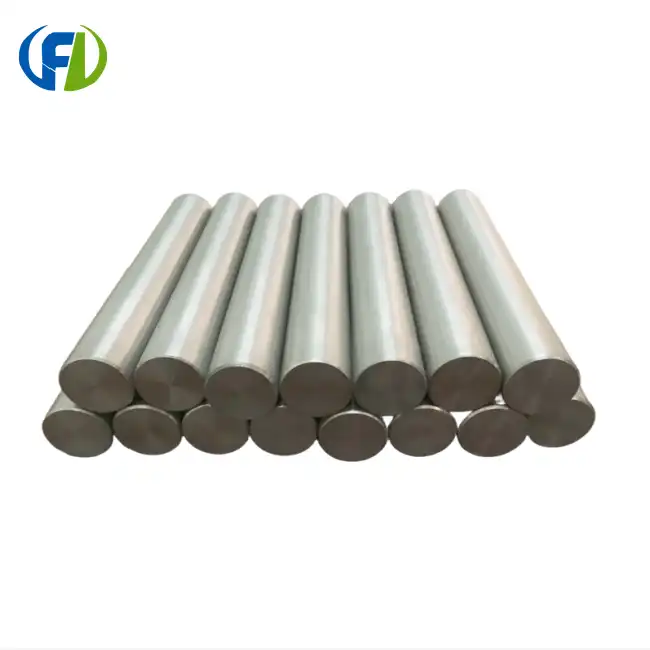
When sourcing high-performance materials for industrial projects, selecting the right NO2200 Nickel Rod supplier matters significantly. NO2200 is commercially pure wrought nickel (UNS N02200) containing at least 99.0% nickel, renowned for exceptional corrosion resistance in reducing environments and superior thermal conductivity. Industries spanning aerospace, chemical processing, and electronics rely on this alloy for critical applications where material integrity directly affects operational safety and efficiency. Partnering with a dependable supplier ensures compliance with rigorous standards like ASTM B160 and guarantees material traceability essential for regulated sectors.
Understanding NO2200 Nickel Rod and Its Specifications
NO2200 Nickel Rod is unique among industrial products because it is metallurgically pure and can be used in a variety of ways. This alloy solves the problem of caustic embrittlement that happens when normal stainless steels are used in alkaline industrial settings, and they break too soon.
Chemical Composition and Purity Standards
What chemicals make up NO2200 Nickel Rod have a direct effect on how well it works in a variety of situations. Nickel (including cobalt) makes up at least 99.0% of the alloy. Iron (≤0.40%), Manganese (≤0.35%), Carbon (≤0.15%), and Copper (≤0.25%) are also present in small amounts. This mix keeps the risk of contamination to a minimum in processes like making synthetic fibres and processing food, where even small amounts of metallic ions can lower the quality of the final product. Optical Emission Spectroscopy (OES) should be used by buyers to check the chemical composition of materials during the procurement process and make sure that suppliers are following the material specifications.
Mechanical Properties and Performance Range
How well NO2200 Nickel Rod works under practical stress depends on its mechanical properties. According to ASTM B160 guidelines, annealed rods usually have a tensile strength of 380 to 550 MPa, a yield strength of more than 105 MPa, and a stretch rate of more than 40%. The substance has a density of 8.89 g/cm³ and a melting point between 1435°C and 1446°C. NO2200 Nickel Rod has a low work-hardening rate, which means that it can be cold-formed over a long period of time without needing to be annealed in between. Because it conducts heat well, it is useful for heat exchanger parts and electrical leads in aerospace electronics.
Industrial Applications Across Sectors
Chemical processing plants use NO2200 Nickel Rods as structural parts in caustic evaporators. These rods naturally form secondary passivation layers that protect against alkaline attack. The material works really well in conditions that quickly break down other metals, like anhydrous ammonia and different amounts of sodium hydroxide. The magnetic qualities of the rod (ferromagnetic up to its Curie temperature of about 360°C) are used by aerospace companies to make magnetostrictive sensors for missile guidance systems. The businesses that make viscose rayon and soap use NO2200 Nickel Rod to make stirrer shafts and pump parts. They do this because it is non-reactive, which keeps fibres from changing colour and products from getting dirty.
Comparing NO2200 Nickel Rod with Other Nickel Alloys
It is helpful for procurement teams to know how NO2200 Nickel Rod compares to other nickel-based materials so they can make strategic sourcing decisions that meet technical needs and stay within budget.
Temperature and Corrosion Performance Evaluation
Inconel alloys work best in oxidising environments with temperatures above 650°C, while NO2200 Nickel Rod does best in reducing environments with temperatures up to 315°C. NO2201 Nickel Rod is a low-carbon version that can only have up to 0.02% carbon. NO2200 Nickel Rod, on the other hand, can have up to 0.15% carbon, which makes it more cost-effective for uses below 315°C. Intergranular graphite precipitation reduces the NO2200 Nickel Rod above this point, so the NO2201 Nickel Rod is needed for high-temperature service. When not oxygenated, the alloy is very resistant to reducing acids like hydrochloric acid and sulphuric acid. However, oxidising acids like nitric acid quickly break down the matrix. This selectivity is different from more expensive alloys like Hastelloy, which give a wider range of acid protection but cost a lot more to make.
Cost-Effectiveness and Total Ownership Analysis
The price of NO2200 Nickel Rod's raw materials is usually somewhere between cheap stainless steels and expensive nickel superalloys. The initial price is higher because it has a nickel content of more than 99%, but it will be worth it in the long run because it will last longer in acidic settings. In harsh environments, NO2200 Nickel Rod-made equipment usually lasts three to five times longer than stainless steel alternatives. This means that it doesn't need to be replaced as often and there is less downtime for production. Because the alloy is so easy to weld with Nickel 61 filler metal using TIG, MIG, or SMAW methods, it makes manufacturing easier and costs less. Instead of just looking at the purchase price, buyers should figure out the total cost of ownership by taking into account how often they need to be maintained, how often they need to be replaced, and how stable the process is.
How to Choose the Right NO2200 Nickel Rod Supplier for Custom Industrial Needs
The choice of supplier has a direct effect on the quality of NO2200 Nickel Rod materials, the dependability of deliveries, and the success rates of projects. Critical evaluation criteria tell the difference between good manufacturing partners and truly great vendors.
Certification and Quality Assurance Capabilities
Reliable sellers keep documents that show they meet international quality standards. When it makes sense, look for quality management systems that are certified by ISO 9001 and industry-specific certifications for medical (ISO 13485) or aerospace (AS9100) use. Traceability of materials starts at the mill level, where heat numbers connect individual production runs to reports on their chemical makeup. Suppliers should give Mill Test Certificates (MTC) that meet EN 10204 3.1 standards and show that the products meet ASTM B160 guidelines for chemical and mechanical properties. Advanced providers check the materials even more by using Positive Material Identification (PMI) and mechanical tests like tensile strength, hardness, and grain size analysis according to ASTM E112. For rods bigger than 25 mm in diameter, non-destructive testing (NDT) with ultrasonic inspection is needed to find internal pipes or holes that weaken the structure.
Customization and Technical Support Services
For custom industrial jobs, it's common to need non-standard sizes, tight specs, or unique surface finishes. Check out providers to see how good they are at machining and how willing they are to work with special requirements. Manufacturers who know what they're doing can make precision rods that meet ISO h9/h11 tolerance classes for very important machining tasks. Technical support goes beyond just filling orders; experienced providers offer metallurgical advice for choosing materials, welding suggestions, and heat treatment methods that are specifically designed for each service condition. This consultative method is very helpful when making tools for new uses or improving processes that are already in place.
Delivery Reliability and Logistics Infrastructure
Lead times, shipping methods, and the steps needed to clear customs are just a few of the things that can change when you buy something internationally. Suppliers who have export systems in place make these processes easier by making sure they have the right paperwork, the right packing for shipping by sea, and working together with goods forwarders. Standard lead times for stock sizes are between 2 and 4 weeks, while custom sizes may take 6 to 10 weeks, depending on how busy the factory is and how many orders they have. Make it clear what inventory is available, how much can be made for large sales, and what the backup plans are for fast delivery if project deadlines are pushed back. Reliable suppliers keep extras of common specifications on hand and let customers know ahead of time if there are any delays that could affect their delivery promises.
Procurement Guide: Ordering NO2200 Nickel Rods for Custom Projects
Using good procurement strategies lowers risk, keeps costs low, and makes sure that NO2200 Nickel Rods arrive exactly as needed for production to go smoothly.
Specification Communication and Documentation
Technical communication that is clear and precise keeps confusion and serious mistakes from happening. The diameter tolerances, length needs, expected surface finish (hot rolled, cold drawn, or centerless ground), and any heat treatment conditions (annealed, stress-relieved, or as-worked) should all be written in the purchase order. Refer to relevant standards like ASTM B160, ASME SB-160, or DIN 17752 to set minimum needs. When a job needs certain qualities, you need to be very specific about the working temperatures, chemical exposures, stress levels, and mechanical properties that are needed. Suppliers like pictures or sketches of complicated shapes and the number of items needed to tell the difference between test orders and production orders.
Pricing Factors and Negotiation Strategies
The price of NO2200 Nickel Rod is affected by more than just the cost of the raw materials. Nickel metal prices around the world change based on how much is mined and how much is needed by industry. This causes market instability that affects quotes. Tiered pricing is based on the number of items you order. When you buy in bulk, the cost per unit goes down because of better production efficiency and lower setup costs. Custom specs like tight tolerances, special surface treatments, or faster delivery times come with extra costs that cover the extra work that needs to be done. Setting up a framework to deal with yearly volume promises is one way to get better prices and earlier production slots. Transparent sellers break down the prices of raw materials, processing, testing, and shipping, which helps buyers find ways to save money.
Quality Verification and Acceptance Criteria
When the goods are delivered, they should be inspected according to a set of rules that check for accuracy in measurements, good surface quality, and full paperwork. A visual check should find surface flaws like laps, seams, or oxidation that don't match the finish that was stated. To make sure that measurements are within the tolerances given, they are checked using standardised measuring tools. Look over the paperwork that comes with it, like MTCs, test reports, and records of material traceability. For important uses, you might want to use third-party verification testing through separate labs to make sure the chemical composition and mechanical properties are correct. Set clear acceptance criteria in purchase agreements and spell out what will happen if the material doesn't meet the standards. For example, it could be replaced, reworked, or the price will be adjusted.
Advantages of Using NO2200 Nickel Rod in Industrial Applications
NO2200 Nickel Rod has strategic benefits that go beyond its basic material properties. These include operational reliability and economic performance in tough industrial settings.
Exceptional Corrosion Resistance in Harsh Environments
Aggressive media that break down normal materials are always a problem for chemical process businesses. NO2200 Nickel Rod is very strong against caustic alkalis at high temperatures and concentrations. It forms protective oxide layers that stop further attack on its own. At a chlor-alkali plant in the southeast of the United States, the NO2200 Nickel Rod caustic evaporator parts worked nonstop for eight years without being replaced. This is in contrast to their 304 stainless steel peers, which only lasted 18 months. This increased longevity got rid of unplanned shutdowns and cut upkeep costs by 40% every year. The alloy also works great in food preparation, where metallic ions can't get into the product because of rules about product quality. This is a big problem when stainless steel passive layers break down during cleaning processes.
Superior Thermal and Electrical Conductivity
In chemical reactors, heat exchanges, and distillation equipment, the process costs are directly affected by how well heat is transferred. NO2200 Nickel Rod has a much higher thermal conductivity than stainless steel, which means that smaller heat exchanger surface areas are possible, or exothermic reactions can be better controlled in terms of temperature. Electronics companies use this trait in tools for making batteries, where careful control of temperature stops reactions from getting out of hand while lithium-ion cells are being put together. The electrical conductivity of the material makes it useful for carrying current in electroplating equipment, resistance welding electrodes, and parts for making battery electrodes. A company that makes batteries for electric vehicles said that their production rate went up by 15% after they switched to NO2200 Nickel Rod welding clamps that kept their electrical resistance the same through multiple heat cycles.
Fabrication Flexibility and Customization Potential
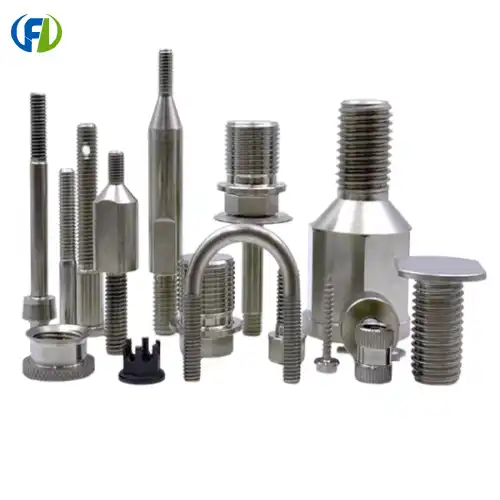
How well a product can be made depends on how easily it can be shaped and joined. Because the NO2200 Nickel Rod is very flexible and doesn't harden quickly, it can be used for a lot of cold forming operations, like bending, swaging, and heading, without needing to be annealed first. This makes it easier to make things, which lowers production costs and speeds up the prototyping process for making custom parts. The alloy is easy to put together and fix because it can be welded using common methods like TIG, MIG, and SMAW. Nickel 61 filler metal makes sure that the rust resistance of the weld zones matches that of the base metal. Machinability isn't as good as it is for free-machining metals, but it's good enough for turning, milling, and drilling when the right tools and cutting settings are used. Electropolishing, passivation, and coating preparation are some surface finishing choices that can be used for a wide range of purposes, from clean pharmaceutical equipment to military precision parts.
Conclusion
To find a NO2200 Nickel Rod that fits specific industry needs, you have to carefully look at the material requirements, the supplier's skills, and the overall project needs. This nickel alloy is commercially pure and has been shown to work well in harsh chemical environments, food processing, and specialised aerospace parts where corrosion resistance and material purity are essential. Strategic supplier partnerships offer not only high-quality materials that meet ASTM B160 standards, but also technical know-how, the ability to make changes, and on-time delivery that helps projects stay on schedule. Procurement teams should give more weight to sellers who can show they have strong foreign shipping infrastructure, clear communication, and a wide range of quality assurance measures. The long-term value of NO2200 Nickel Rod comes from its longer service life, lower maintenance needs, and benefits for process stability that make up for the initial material investments.
FAQ
1. What distinguishes NO2200 from NO2201 Nickel Rods?
The main difference is the amount of carbon that is specified. What makes NO2200 Nickel Rods different from NO2201 Nickel Rods is that NO2200 allows up to 0.15% carbon, but NO2201 only allows up to 0.02% carbon. This difference is very important for uses above 315°C (600°F), because the higher carbon content in NO2200 Nickel Rod causes intergranular graphite precipitation, which weakens the material over time. Because the NO2201 Nickel Rod is made with low carbon, this way of breaking down is stopped. This makes it the best choice for long-term use at high temperatures. NO2200 Nickel Rod works effectively at lower material costs below 315°C, which makes it a good choice for middling temperature uses.
2. Does NO2200 exhibit magnetic properties?
At room temperature, the NO2200 Nickel Rod is ferromagnetic, meaning it responds to magnetic fields and attracts permanent magnets. When the material gets hotter than its Curie temperature, which is around 360°C, it stops being magnetic and starts behaving like a paramagnetic material. The temperature-dependent magnetic transition makes it possible for special uses like temperature-sensing mechanisms and magnetic actuators. This feature sets NO2200 Nickel Rod apart from austenitic stainless steels, which don't become magnetic at normal working temperatures.
3. Is it possible to reliably weld NO2200 Nickel Rod?
NO2200 Nickel Rod is easy to join with TIG (GTAW), MIG (GMAW), and SMAW (stick welding), which are all popular fusion welding methods. Nickel 61 filler metal is needed for successful joining to make sure that the makeup of the weld zone fits the corrosion resistance of the base metal. Porosity and hot cracking can be avoided by properly preparing the joint, keeping it clean, and controlling the amount of heat that goes into it. Post-weld heat treatment isn't usually needed for most uses, but 540–650°C stress release is good for parts that are under a lot of stress. A lot of fabricators like how easy it is to weld NO2200 Nickel Rod compared to precipitation-hardening nickel alloys, which need precise thermal cycles.
Partner with Freelong for Your NO2200 Nickel Rod Requirements
Baoji Freelong New Material Technology Development Co., Ltd. is an expert in providing high-purity NO2200 Nickel Rod that is made to strict ASTM B160 standards. Our plant is in Baoji City, which is known as China's Titanium Valley. It has both advanced metalworking skills and strict quality control procedures. We provide full material tracking through EN 10204 3.1 Mill Test Certificates and offer customisation services such as precise machining, special tolerances, and custom measurements to meet the needs of each project. Our experienced technical team helps with decisions about which materials to use, how to weld them, and how to do specific jobs. We guarantee on-time delivery of both prototypes and production quantities thanks to our well-established logistics networks that serve aerospace, chemical processing, and electronics manufacturers in the US, Europe, and the Asia-Pacific region. You can talk to our material experts about your unique needs and get full quotes for your next project by emailing jenny@bjfreelong.com.
WhatsApp / Linkedin: 0086-13571190943
Wechat: lyc880528
References
1. Davis, J.R. (2000). Nickel, Cobalt, and Their Alloys. ASM International Handbook Committee, Materials Park, Ohio.
2. American Society for Testing and Materials. (2019). ASTM B160-19: Standard Specification for Nickel Rod and Bar. ASTM International, West Conshohocken, Pennsylvania.
3. Lai, G.Y. (2007). High-Temperature Corrosion and Materials Applications. ASM International, Materials Park, Ohio.
4. Special Metals Corporation. (2018). Nickel 200 and 201 Technical Bulletin. Special Metals Corporation, New Hartford, New York.
5. Schweitzer, P.A. (2010). Fundamentals of Corrosion: Mechanisms, Causes, and Preventative Methods. CRC Press, Boca Raton, Florida.
6. Totemeier, T.C. and Tian, H. (2014). "Effect of Carbon Content on Microstructure and Properties of Commercially Pure Nickel Alloys." Materials Science and Engineering A, Volume 592, Pages 55-62.

_1745551581223.webp)
_1745830239756.webp)
_1767687328503.png)
Learn about our latest products and discounts through SMS or email