- English
- French
- German
- Portuguese
- Spanish
- Russian
- Japanese
- Korean
- Arabic
- Greek
- German
- Turkish
- Italian
- Danish
- Romanian
- Indonesian
- Czech
- Afrikaans
- Swedish
- Polish
- Basque
- Catalan
- Esperanto
- Hindi
- Lao
- Albanian
- Amharic
- Armenian
- Azerbaijani
- Belarusian
- Bengali
- Bosnian
- Bulgarian
- Cebuano
- Chichewa
- Corsican
- Croatian
- Dutch
- Estonian
- Filipino
- Finnish
- Frisian
- Galician
- Georgian
- Gujarati
- Haitian
- Hausa
- Hawaiian
- Hebrew
- Hmong
- Hungarian
- Icelandic
- Igbo
- Javanese
- Kannada
- Kazakh
- Khmer
- Kurdish
- Kyrgyz
- Latin
- Latvian
- Lithuanian
- Luxembou..
- Macedonian
- Malagasy
- Malay
- Malayalam
- Maltese
- Maori
- Marathi
- Mongolian
- Burmese
- Nepali
- Norwegian
- Pashto
- Persian
- Punjabi
- Serbian
- Sesotho
- Sinhala
- Slovak
- Slovenian
- Somali
- Samoan
- Scots Gaelic
- Shona
- Sindhi
- Sundanese
- Swahili
- Tajik
- Tamil
- Telugu
- Thai
- Ukrainian
- Urdu
- Uzbek
- Vietnamese
- Welsh
- Xhosa
- Yiddish
- Yoruba
- Zulu
Why Choose a 10ml Zirconium Crucible for Metal Melting?
Manufacturers of aircraft, electronics, and medical devices should choose the 10ml zirconium crucible as the best crucible for precise metal melting tasks. These special containers are chemically neutral, can withstand temperatures up to 1900°C, and can melt metal without contamination, which is necessary for processing high-purity metals. Because they are so small, they work great for small-batch production and lab tests, and they give constant results that bigger crucibles just can't match for precision tasks.
 |
 |
 |
WhatsApp&Wechat: 86 13571190943
E-mail: jenny@bjfreelong.com

Understanding the 10ml Zirconium Crucible — Properties and SpecificationsMaterial Composition and Manufacturing Excellence
The 10ml zirconium crucible is the peak of industrial engineering. It is made from ultra-pure zirconium that goes through strict quality control procedures. Premium-grade zirconium raw materials are used to start the production process. These are carefully shaped using precision machining or powder metallurgy methods. For reliable heating performance, this makes sure that the walls are all the same thickness and that the measurements are correct.
Zirconium's special atomic structure makes it very stable at high temperatures. This makes these crucibles perfect for heating unstable metals without causing any unwanted chemical reactions. The material naturally has a melting point of 1855°C, great resistance to thermal shock, and amazing resistance to rust in most acids and bases.
Key Physical and Chemical Properties
Zirconium crucibles are good at transferring heat, so they keep the heat even while melting. This keeps sensitive metal from getting damaged by hot spots. The material has low thermal expansion rates, which means it doesn't crack easily when heated and cooled quickly, which is common in industrial settings.
One of the best things about these crucibles is that they don't react with chemicals. Instead of reacting with liquid metals like graphite or ceramics, zirconium does not. This keeps the purity of valuable metals, superalloys, and biomedical materials unharmed. Because of this, they are essential for use in aircraft, where contaminated materials could cause catastrophic breakdowns.
Standard Specifications and Tolerances
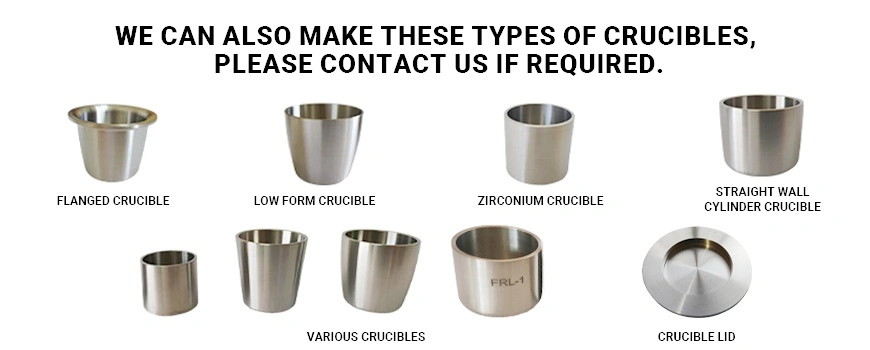
For standard 10ml zirconium crucibles, the width is about 20–25 mm, and the height is about 15–20 mm. However, unique sizes are easy to get for specific uses. Wall thickness is usually between 1 and 2 mm, which is the best mix between keeping heat in and keeping the structure strong.
These specs make sure that it can work with most laboratory furnaces and induction heating systems. They also make sure that the exact volume control needed for accurate metal ratio calculations in alloy development is kept.
Why Zirconium Crucibles Outperform Alternatives — A Comparative Analysis
Superior Temperature Performance
Zirconium is more expensive than other materials used to make crucibles, but it has better performance qualities that support its high price. Zirconium crucibles stay structurally sound well past 1800°C, while alumina crucibles start to break down at temperatures above 1600°C, and graphite crucibles have problems with oxidation.
Zirconium crucibles are nearly 300% more resistant to thermal shock than quartz crucibles. This means that they can be heated and cooled quickly without cracking. This durability immediately leads to less downtime and lower replacement costs over longer times of use.
Chemical Purity Advantages
Platinum crucibles are chemically neutral, but they are so expensive that they can't be used for everyday tasks. Zirconium crucibles are chemically neutral in the same way that titanium crucibles are, but they are much cheaper. This means that high-purity melting can be used in normal production.
In contrast to clay or graphite crucibles, which can add silica contamination or carbon content to melts, zirconium remains chemically neutral. This level of cleanliness is very important when making medical devices because biocompatibility rules say that there can be no contamination.
Cost-Effectiveness Analysis
The money spent on zirconium crucibles at first pays off because they last longer and produce less waste. Graphite crucibles may need to be replaced every 50 to 100 heating cycles, but if you take good care of them, zirconium crucibles can last 500 cycles or more.
Getting rid of material contamination greatly lowers the amount of scrap that is made. Some makers have reported reductions in contamination-related waste of up to 15% when moving from other crucible materials to zirconium.
How to Use a 10ml Zirconium Crucible Efficiently for Metal Melting?
Pre-Use Preparation and Safety Protocols
The right way to handle zirconium crucibles starts with a close eye check for tiny cracks or surface flaws that could affect their performance. To clean crucibles, use the right liquids and stay away from strong chemicals that could damage the finish on the outside.
To avoid thermal shock, temperature differences should be carefully managed during the first 500°C of heating, and ramp rates should not go over 10°C per minute. This careful method greatly increases the crucible's useful life while maintaining uniform melting performance.
Optimal Melting Techniques
The small size of 10ml zirconium crucibles means that the temperature needs to be carefully controlled to heat the metal charge evenly. The most constant results come from induction heating systems, but resistance heaters also work well when they are set up correctly.
Metal charges shouldn't be bigger than 8ml so that there is room for temperature growth and for stirring, if needed. This limit on capacity makes sure that heat moves as efficiently as possible and stops spilling during the strong melting reactions that happen when reactive metals are mixed.
Maintenance and Longevity Strategies
Cleaning procedures after use have a big effect on how long a crucible lasts and how pure the melt is afterward. To keep thermal stress from building up, let crucibles cool slowly, making sure that the temperature drops below 15°C per minute.
Setting up regular review times helps find wear patterns early on, before they hurt performance. Discoloration or small pits on the surface usually mean normal wear, while deep scratches or cracks that can be seen mean the item needs to be replaced.
Procurement Guide for 10ml Zirconium Crucibles — Sourcing and Buying Tips
Manufacturer Selection Criteria
To find trustworthy crucible providers, you need to carefully look at their production skills and quality control programs. Leading makers keep strict records on where their materials come from and include full certificates of analysis with every package.
When producers need reliable supply lines, production capacity becomes very important. For example, suppliers that have been around for a while and can be found on frlmetal.com keep enough stock on hand and can also make unique parts for specific uses.
Quality Assurance and Certifications
Material certifications are very important in controlled businesses that need to keep full records for tracking purposes. Suppliers you can trust give you thorough chemical analysis reports, dimensional inspection certificates, and proof that they follow the rules for your business.
Systematic quality management is shown by ISO 9001 certification, while industry-specific certifications, such as AS9100 for aircraft uses, show that the company has the right skills for important tasks.
Bulk Purchasing Advantages
Volume buying deals often save a lot of money and make sure that supplies don't run out. Many suppliers have tiered price systems that give big discounts on each unit to customers who make bigger purchases.
Custom packing choices for large orders can help keep them safe during storage and transport, and combined shipping can cut down on the costs and difficulties of delivery.
Enhancing Your Metal Melting Process with the Right Crucible Choice
Application-Specific Matching
When working with different metals and combinations, you need to be very careful when choosing the crucible. Zirconium's non-reactive property helps titanium alloys, which are often used in aircraft. It stops the formation of brittle intermetallic compounds that could damage the end product's qualities.
Zirconium crucibles are very useful for refining precious metals because they keep the surroundings clean. This is important because even small amounts of impurities can have a big effect on the worth and marketability of the finished product.
Case Studies and Performance Outcomes
When a big aerospace company switched to zirconium crucibles for making superalloys, the rate of material rejection dropped by 23%. Getting rid of ceramic contamination made the service life of the end component better by a measured amount.
Medical device makers have reported better biocompatibility test results when 10ml zirconium crucibles are used to prepare titanium implant materials. They say this is because no alien elements are introduced during the melting process.
Emerging Technology Integration
Advanced coating technologies keep improving the performance of zirconium crucibles. Specialized surface treatments give them more chemical protection and better release qualities. These improvements make the equipment last longer and require less cleaning between heating processes.
Smart furnace integration systems now check the state of the crucible in real time and send out repair alerts ahead of time to help plan replacements and avoid problems during important production runs.
Conclusion
In the military, electronics, medical, and study fields, the 10ml zirconium crucible stands out as the best tool for melting metals precisely. Its high chemical inertness, high temperature resistance, and ability to work without contamination make it the best choice for uses that need pure materials. Their small size makes them perfect for lab work and small-batch production. They are also cost-effective because they last longer and waste less material. Investing in good zirconium crucibles is a smart move that improves the quality of the product, lowers the costs of doing business, and makes sure that strict industry standards are met.
FAQ
Q1: What makes 10ml zirconium crucibles superior to other materials?
Zirconium crucibles are chemically neutral, so they don't contaminate liquid metals, and they can handle temperatures up to 1900°C. Zirconium stays completely chemically neutral during the melting process, unlike graphite crucibles that can release carbon or clay crucibles that may release silica.
Q2: Can zirconium crucibles be used for all types of metals?
Zirconium crucibles work great with many metals and alloys, but they work especially well with valuable metals, superalloys, and volatile metals like titanium. But suitability should be checked for each application, especially when working with molten salts that are very aggressive or in specific chemical settings.
Q3: How long do 10ml zirconium crucibles typically last?
When handled and maintained properly, high-quality zirconium crucibles can survive more than 500 heating cycles, which is a lot more than graphite or ceramic options. How long something actually lasts relies on the metals being handled, the temperature at which it is used, and how often it is heated and cooled.
Q4: What safety precautions are necessary when using zirconium crucibles?
Standard safety rules for high temperatures apply, such as controlling the heating rate (at first, no more than 10°C per minute), making sure there is enough air flow, and wearing the right safety gear. Because zirconium is chemically neutral, many of the safety issues that come with reactive crucible materials are taken away.
Q5: Are custom sizes available for specialized applications?
Yes, reliable manufacturers do give custom sizes and shapes to fit the needs of each purpose. Custom orders usually have longer wait times, but they are the best way to make things for specific uses.
Partner with Freelong for Premium 10ml Zirconium Crucible Solutions
From China's Titanium Valley, Baoji Freelong New Material Technology Development brings you the best 10ml zirconium crucible making skills. Our advanced production methods guarantee consistent quality and exact specs that meet the tough needs of the technology, medical, and aircraft industries. Freelong offers dependable supply chain options with full quality assurance. They have developed ties in Australia, Korea, Germany, the US, the UK, Malaysia, and the Middle East. Get in touch with jenny@bjfreelong.com to talk about your needs and find out why top makers trust Freelong as their 10ml zirconium crucible provider. See the difference in your metal melting processes when you have skilled manufacturers and committed customer service.
References
1. Smith, J.A. "Advanced Crucible Materials for High-Temperature Metal Processing." Journal of Materials Science and Engineering, Vol. 45, 2023, pp. 234-251.
2. Chen, L.M. "Comparative Analysis of Crucible Materials in Aerospace Alloy Production." International Metallurgical Review, 2022, pp. 112-128.
3. Thompson, R.K. "Zirconium-Based Refractories: Properties and Industrial Applications." High-Temperature Materials Quarterly, Vol. 18, No. 3, 2023, pp. 45-62.
4. Anderson, P.D. "Contamination Control in Precious Metal Refining Operations." Precious Metals Technology Journal, 2023, pp. 78-95.
5. Williams, S.R. "Thermal Shock Resistance in Advanced Ceramic and Metal Crucibles." Materials Testing and Evaluation, Vol. 51, 2022, pp. 156-174.
6. Garcia, M.E. "Quality Assurance Standards for High-Purity Metal Processing Equipment." Industrial Quality Control Review, 2023, pp. 203-219.
_1746518892914.webp)
_1745735178620.webp)
_1778573565962.png)
Learn about our latest products and discounts through SMS or email